When the real Phileas Fogg visited Penang

The year 1870 marked the start of a transformative period in world history. The Franco-Prussian War culminated in Napoleon III’s defeat at the Battle of Sedan, leading the victorious Wilhelm I to proclaim the German Empire. Japan formally adopted its iconic rising sun flag, while the recently completed Suez Canal (November 1869) revolutionised global maritime travel.
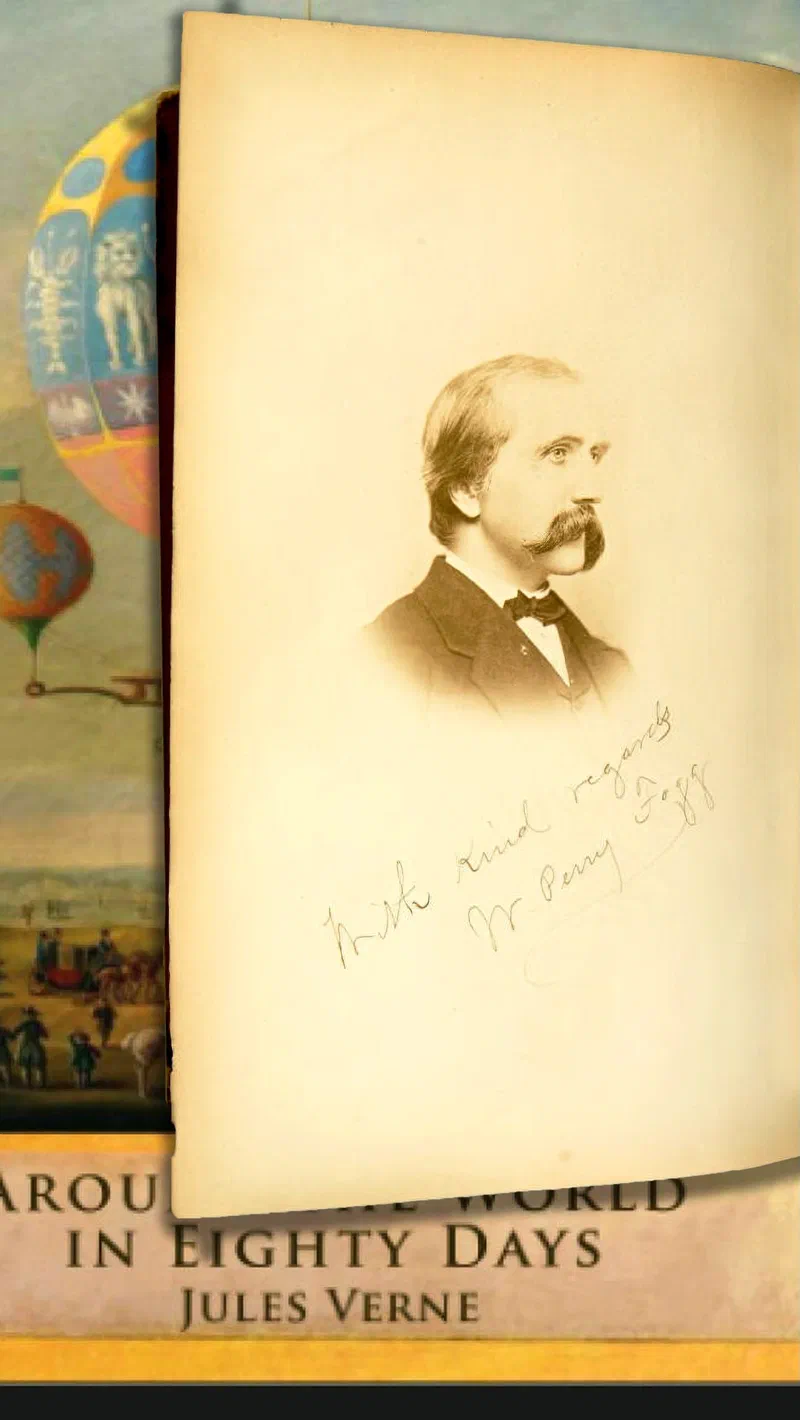
Against this backdrop of technological advancement and the dawn of the Second Industrial Revolution, George Francis Train, an eccentric American transportation entrepreneur who later ran for president, completed his circumnavigation of the globe in 80 days. That same year, another American businessman and adventurer began his own global expedition. William Perry Fogg embarked on what would become a two-year journey around the world. Unlike Train’s relatively speedy voyage, Fogg took time to document his experiences through detailed letters to the Cleveland Daily Herald. These dispatches were later collected and published as the travelogue “Round the World” in 1872.
In November 1872, French author Jules Verne began writing “Le Tour du monde en quatre-vingts jours” (Around the World in Eighty Days) as a serial in the newspaper “Le Temps”. The story was released as a complete novel on January 30, 1873, introducing readers to a methodical and time-obsessed protagonist named Phileas Fogg. The timing of the book’s release and the similarities between Verne’s fictional story and the journeys of the two Americans did not go unnoticed.
A very angry Mr. Train told the press, “Remember Jules Verne’s ‘Around the World in Eighty Days’? He stole my thunder. I’m Phileas Fogg”. Verne denied that his fictional tale was based on the true exploits of Train, or that he had ever heard of Mr. Fogg - William Perry, prior to writing his story. Verne’s denials were met with scepticism as Train’s exploits were well publicised in France. Despite the controversy, the novel became a global sensation and remains today as one of Verne’s most celebrated works.
Interestingly, the real-life Mr. Fogg actually visited Penang during his round the world trip. His globetrotting brought him to some of the same places as the fictional Fogg except travelling in the opposite direction.
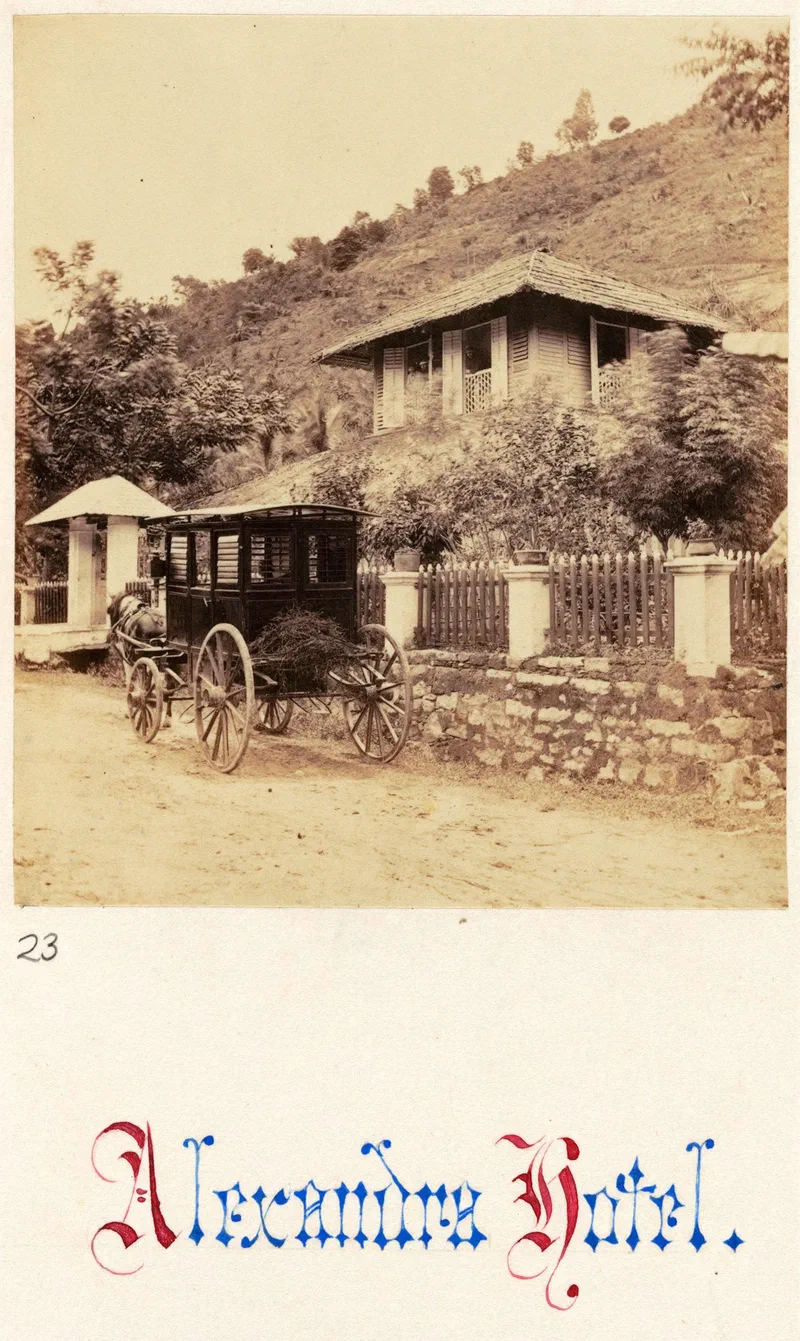
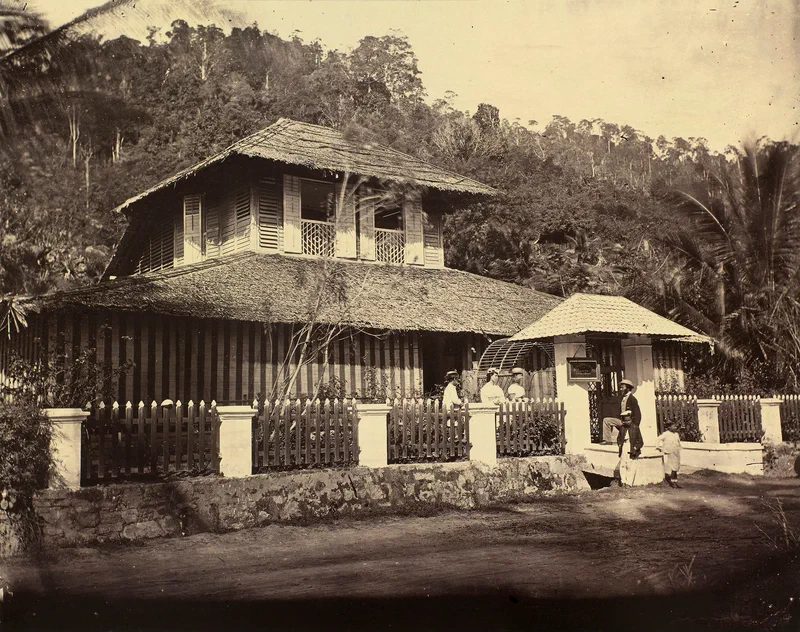
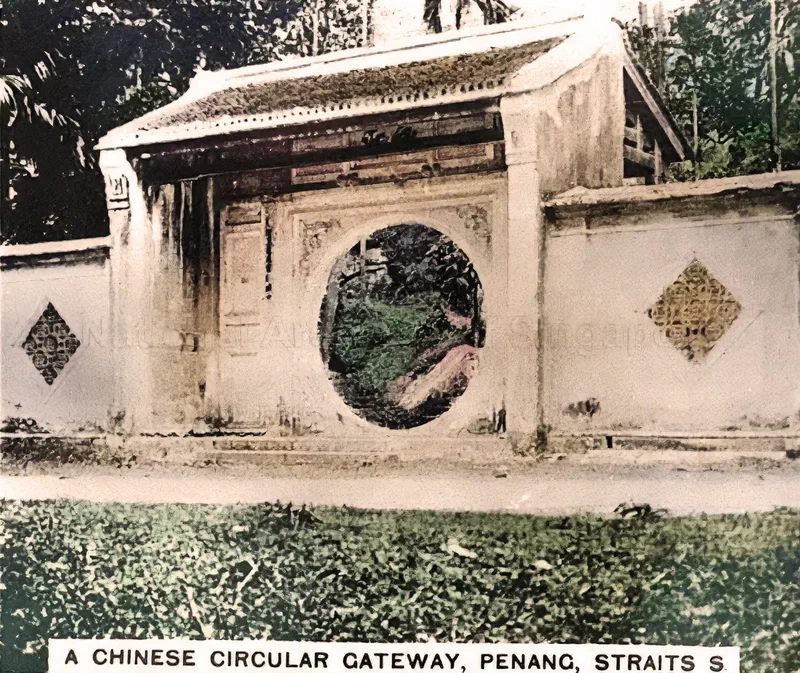
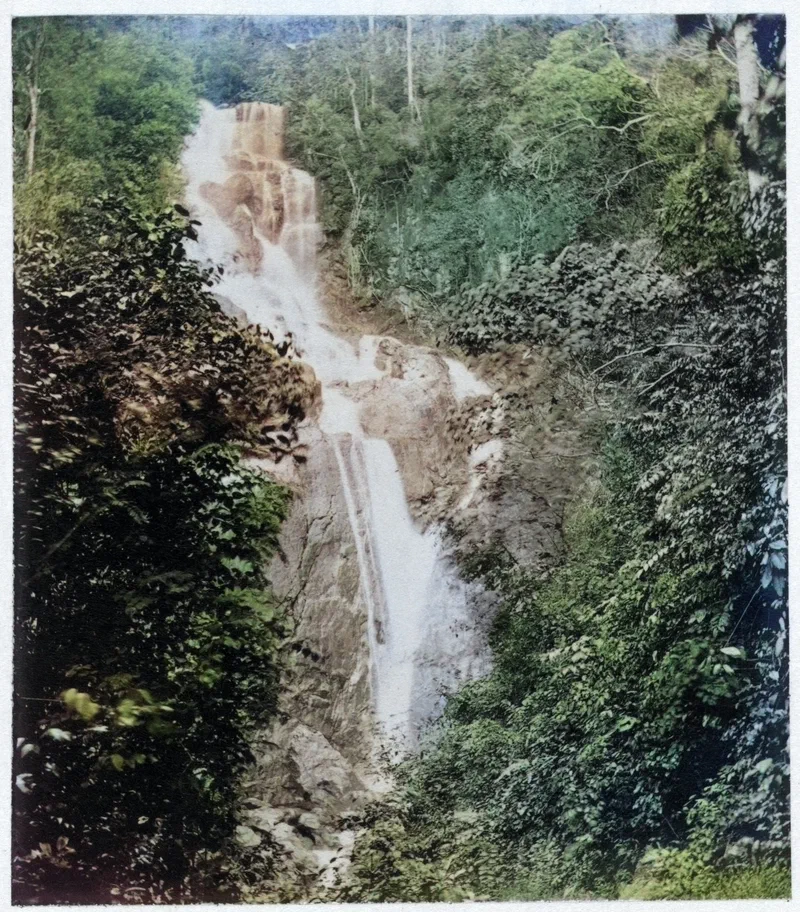
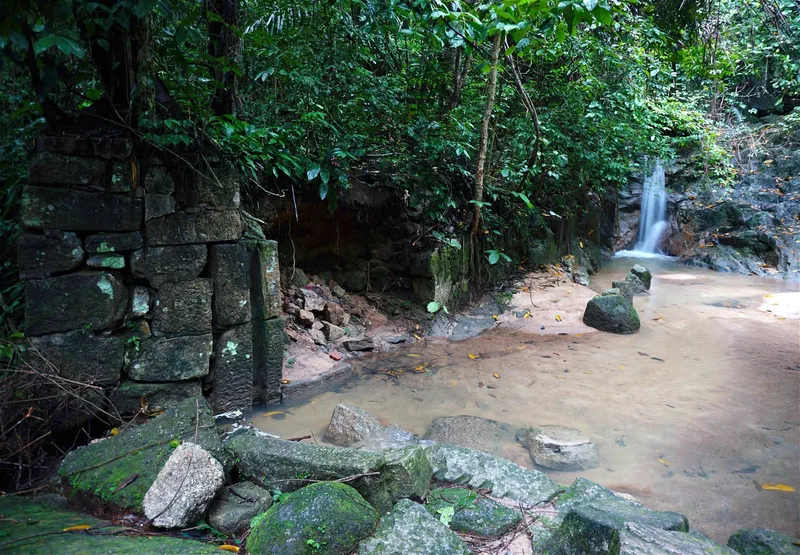
On Friday, 10 February 1871 he arrived in Penang aboard the steamship Thales and straight away headed to the Great Waterfall, stopping by the Alexandra Hotel and its Baths whose ruins can still be seen just to the right of the Moon Gate.
Read about Fogg’s description of the hotel as well as a previously untranslated French account in the article below. Also revealed is the origin of the Moon Gate.
“Waterfall Whispers - The Lost Tale of Penang’s Alexandra Hotel and Baths”, Penang City Eye Vol. 45:
https://online.fliphtml5.com/tvtbw/zosa/#p=34
Sources: See article.