June 2026

Browse the archive
202655
202558
202455
202338
202224

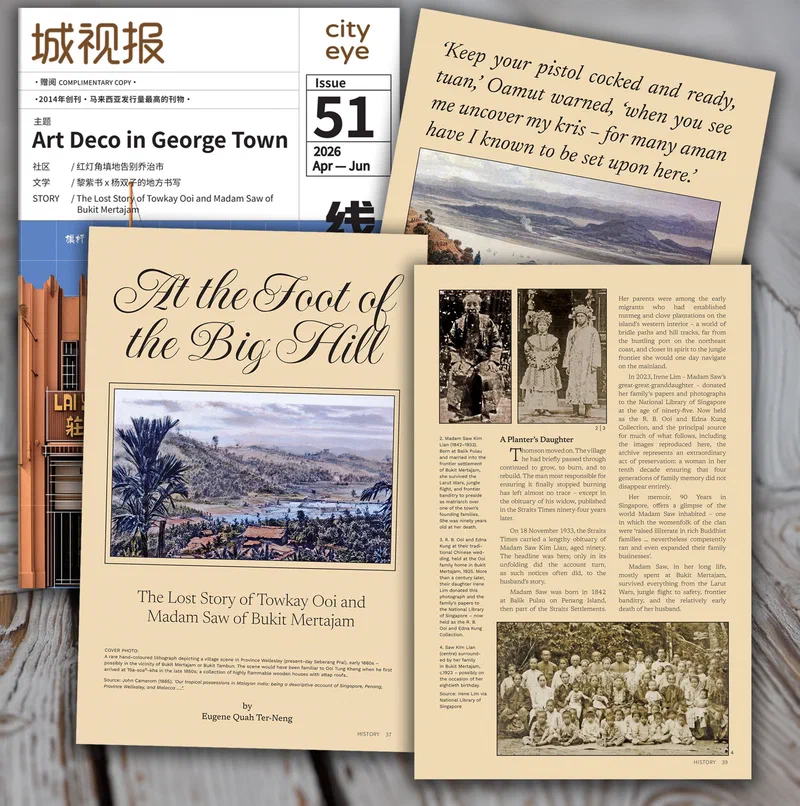
The Untold Story of Towkay Ooi and Madam Saw of Bukit Mertajam

To most Malaysians, Bukit Mertajam is simply a busy town on the Penang mainland, a place many know but few can place in history. Fewer still know the pioneers who cleared the jungle and rebuilt the town again and again as it burned. This is the untold story of one such settler, Ooi Tung Kheng, and his wife, Madam Saw.

Ooi Tung Kheng arrived at Toa-soan-kha (大山脚), literally the foot of the big hill, in the late 1850s, one of a band of young men who had braved the seas from China to seek their fortune in Province Wellesley. He planted, he prospered, and then, like so many of his generation, he was lured to Larut by the tin rush and its promise of sudden wealth. There he was drawn into the chaos of the secret society wars, and he and his young wife, Madam Saw Kim Lian, fled through the jungles of northern Perak, living on wild fruit and game before finally making their way back to Bukit Mertajam.

Back home, Ooi returned to his planting. In March 1882, fire levelled the village yet again. This time he helped rebuild in brick, and in 1883 raised the family home on what is now Jalan Che Bee Noor, formerly Aston Road. That simple, practical choice helped break a cycle of destruction that had plagued the settlement for decades. Even so, the lure of tin was not quite spent. In 1888 he made one last venture into the mines of Kulim, where fierce competition again erupted into clan violence and he was forced to fight his way home. The Malays referred to it as Perang Nyonya Cantik (War of the Beautiful Nyonya). It was his final foray into mining.

Madam Saw Kim Lian outlived her husband, her son, and nearly everyone who had known those early years. Born in 1842 at Balik Pulau to a family of nutmeg and clove planters, she died in 1933 at the age of ninety, remembered in her obituary as “a most formidable lady.” Her great-great-granddaughter, Irene Lim, donated the family’s papers and photographs to the National Library of Singapore in 2023, at the age of ninety-five. It is thanks to her that this story survives at all.

Read “The Lost Story of Towkay Ooi and Madam Saw of Bukit Mertajam” in the latest issue of Penang City Eye:
https://online.fliphtml5.com/tvtbw/jtou/#p=37

The Untold Story of Towkay Ooi and Madam Saw of Bukit Mertajam — image 1

https://www.eugenequah.com/blog/the-untold-story-of-towkay-ooi-and-madam-saw-of-bukit-mertajam/

Copyright © 2026 Eugene Quah Ter-Neng. All rights reserved.

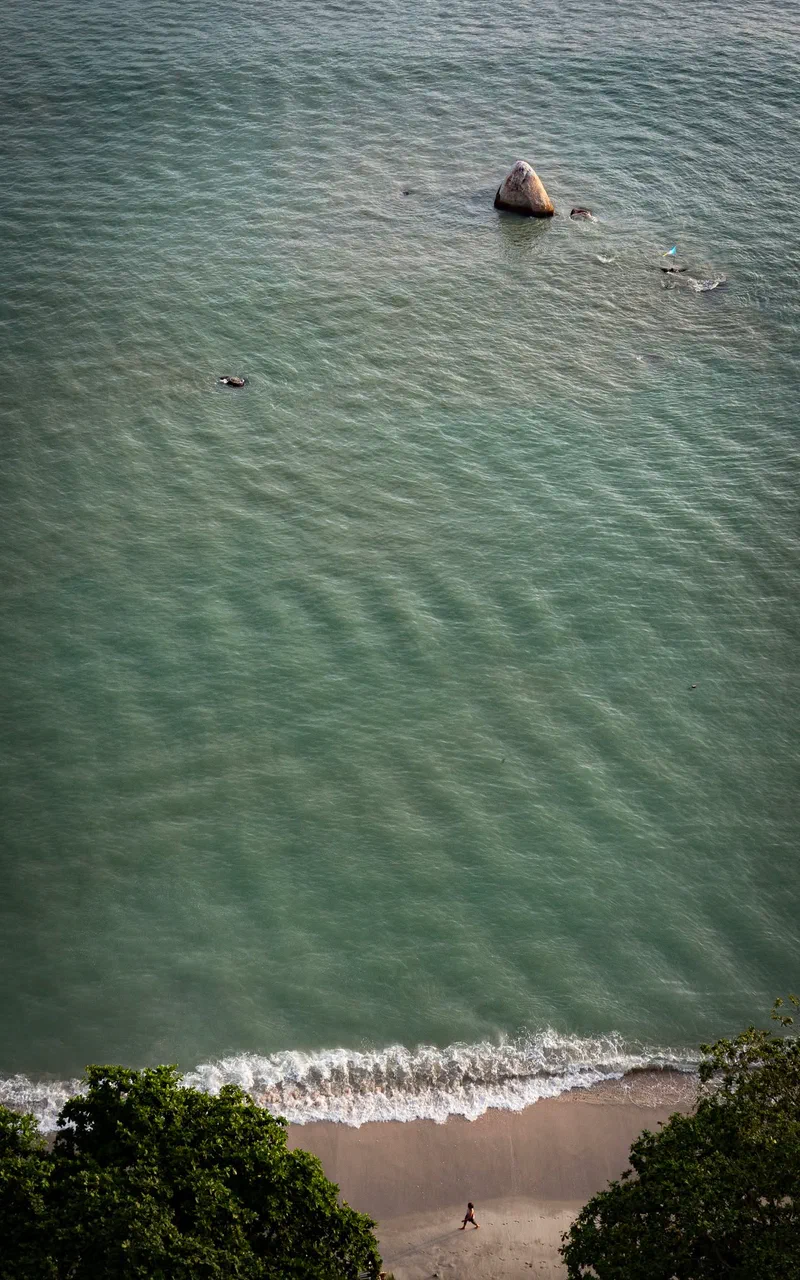
Springtide Beach

Morning scene at what is known as Springtide Beach, named after the New Springtide Hotel that once stood nearby – the name now lives on in the nearby Springtide Residences condominium. Interestingly, the cluster of rocks in this spot marks what was historically the border between the former districts of Tanjung Bungah and Tanjung Tokong; it’s possible the boundary line was drawn using the rocks as a natural marker.

Springtide Beach — image 1

https://www.eugenequah.com/blog/springtide-beach/

Copyright © 2026 Eugene Quah Ter-Neng. All rights reserved.

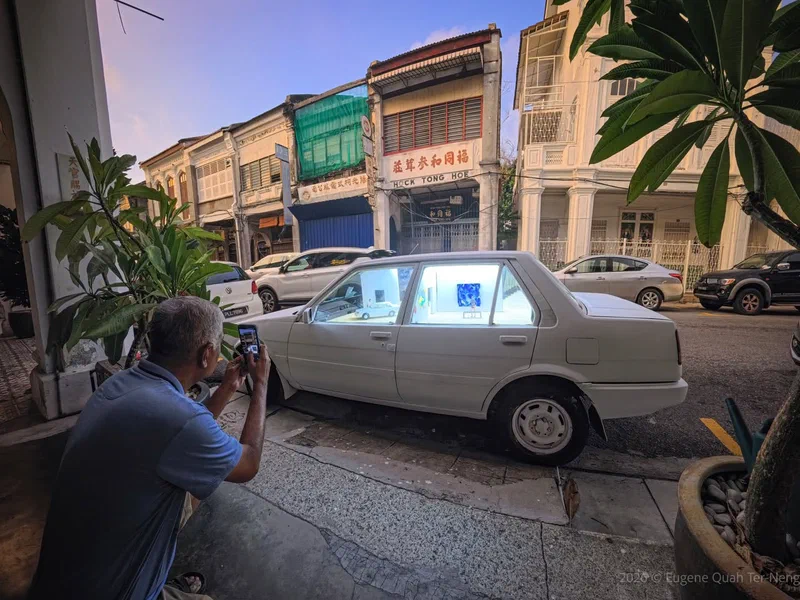
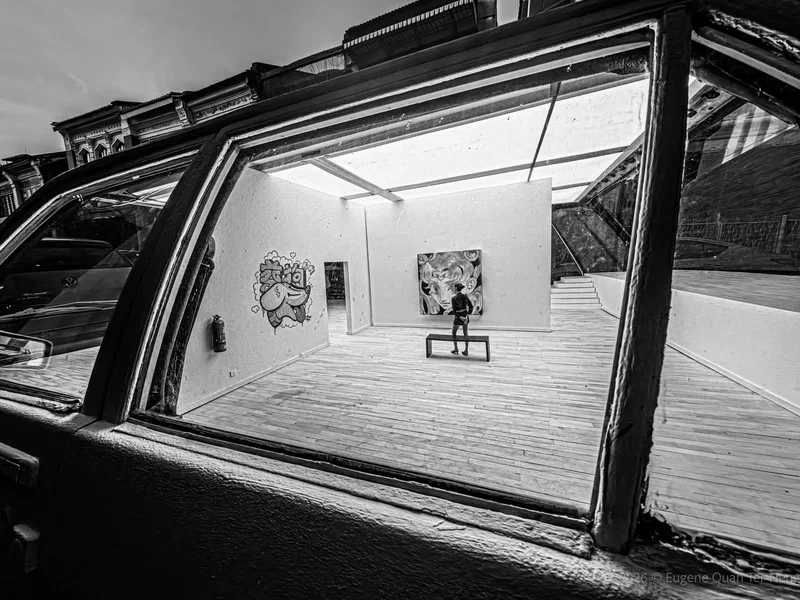
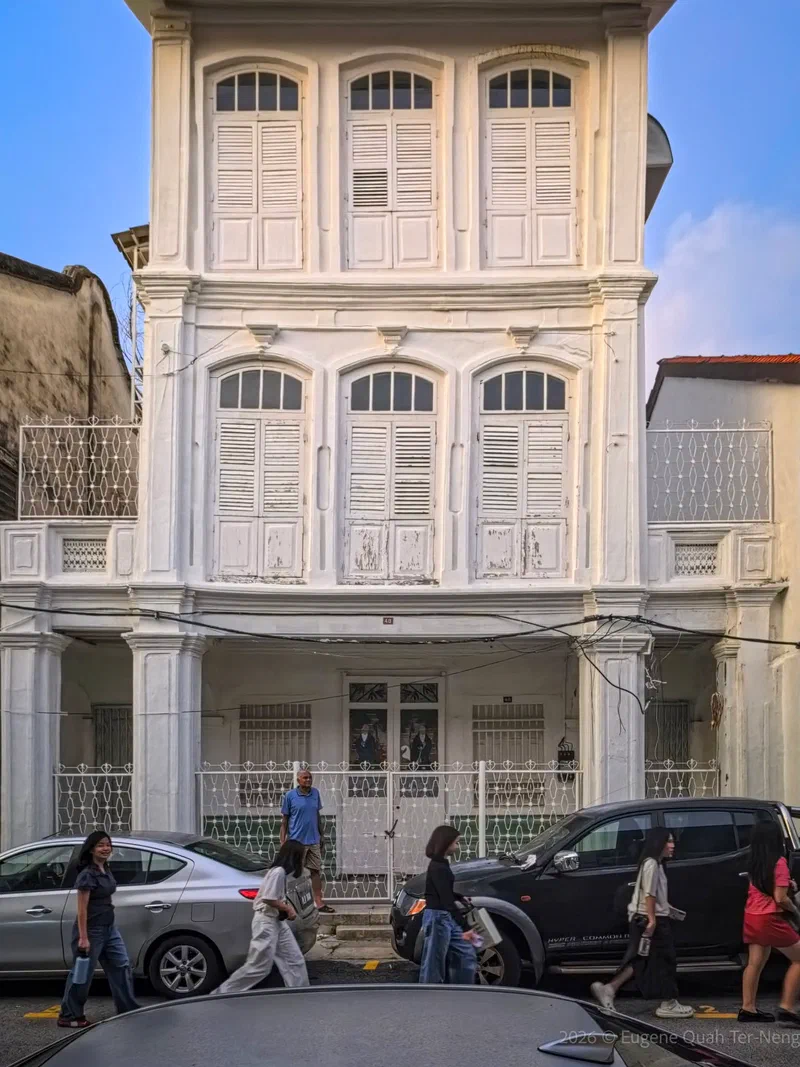
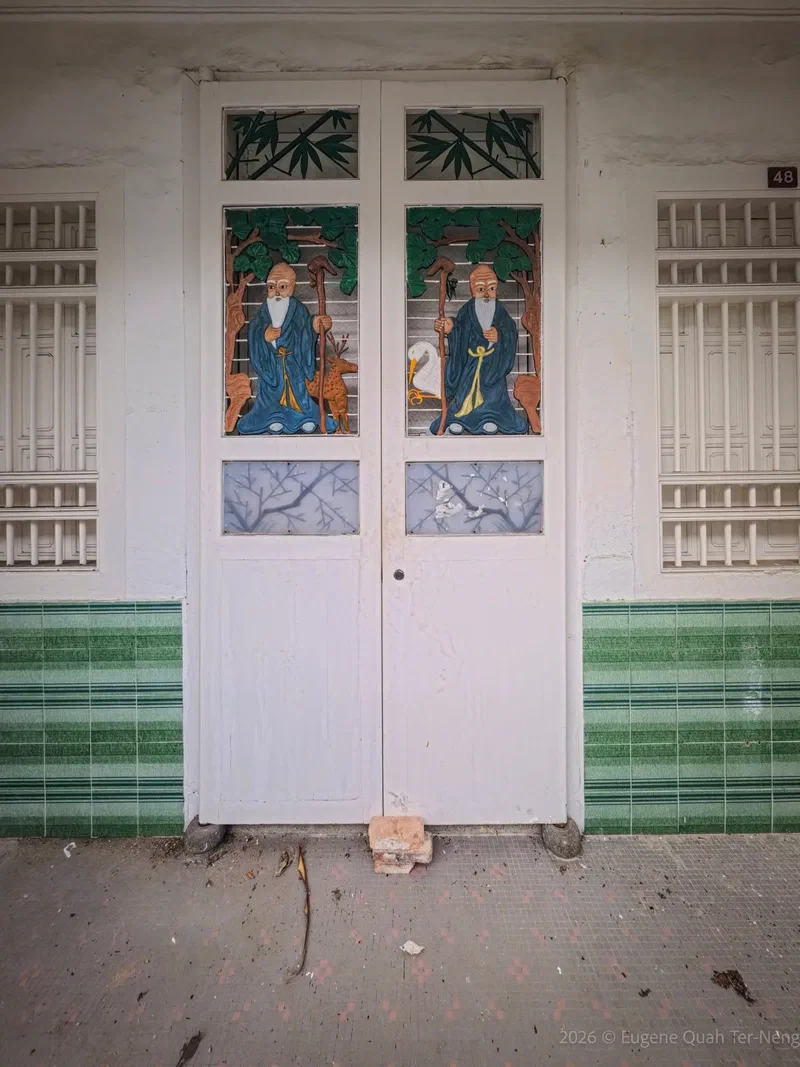
No. 48 Malay Street and Khoo Thean Poh

No. 48 Malay Street – formerly the residence of Khoo Thean Poh (also spelt Tian Poh, 邱天保). He was a merchant and sailor who was also a trustee of the Khoo Kongsi.

He was the younger brother of Khoo Thean Teik, the leader of the Khian Teik secret society and uncle to Khoo Hun Yeang. In 1893, the property was described as “that piece of land with the large brick house erected thereon, bearing assessment No. 48 situated in Malay Street".

Khoo Thean Poh started his career as the skipper of the schooner ‘Crimea’ which plied the Penang–Sumatra route. The Achenese, whom he frequently traded with, held him in high esteem; they referred to him as Nakhoda Thean Poh. When the schooner ‘Nisero’ was wrecked in Western Sumatra, its 26 crew members were taken prisoner by the Rajah of Tenom, who “threatened … to give rise to serious political complications” for the British. Khoo Thean Poh, who was a personal friend of the monarch, was asked by Sir William Maxwell, the Resident Councillor of Penang, to intervene and secure the release of the men; which he successfully did. For his services, Queen Victoria awarded him a gold watch engraved with the words :

“Presented to Khoo Thean Poh by Her Majesty’s Government for service in connection with the release of the crew of the ‘Nicero’ 1884”.

No. 48 Malay Street and Khoo Thean Poh — image 1
No. 48 Malay Street and Khoo Thean Poh — image 2
No. 48 Malay Street and Khoo Thean Poh — image 3
No. 48 Malay Street and Khoo Thean Poh — image 4
No. 48 Malay Street and Khoo Thean Poh — image 5

Sources:

  1. Pinang Gazette And Straits Chronicle (1919), “The Late Mr. Khoo Thean Poh.” 10 January 1919, Page 2
  2. Pinang Gazette And Straits Chronicle (1893), 6 November 1893, Page 2
  3. W. Bradley (1884), “The Wreck of the Nisero, and Our Captivity in Sumatra”

https://www.eugenequah.com/blog/no.-48-malay-street-and-khoo-thean-poh/

Copyright © 2026 Eugene Quah Ter-Neng. All rights reserved.

India House on Beach Street

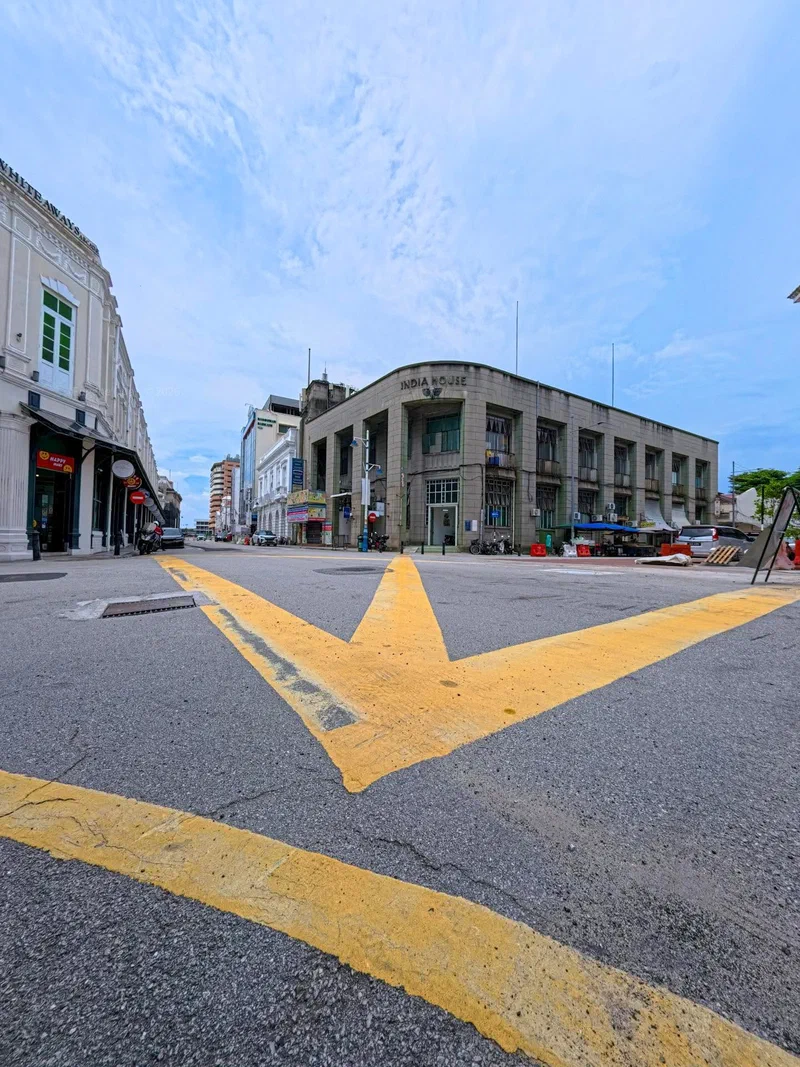
Having fun with wide angles with a new camera:

View of India House with its distinctive ornamental elephant head overlooking the junction of Beach Street and Church Street. It was built by S.N.A.S. Sockalingam Chettiar and completed on the eve of the war in 1941. The building remained unoccupied during the Japanese Occupation. The Hongkong and Shanghai Bank was temporarily housed there between 1948 and 1951 during construction of its new building at Downing Street. After that it hosted the United States Information
Services (USIS) library until the 1970s.

India House on Beach Street — image 1

Source:
Marcus Langdon (2015), “George Town’s Historic Commercial and Civic Precincts”

https://www.eugenequah.com/blog/india-house-on-beach-street/

Copyright © 2026 Eugene Quah Ter-Neng. All rights reserved.

Full volume, full throttle

Full volume. Full throttle. Full Penang vibes.

Watch the video

https://www.eugenequah.com/blog/full-volume-full-throttle/

Copyright © 2026 Eugene Quah Ter-Neng. All rights reserved.

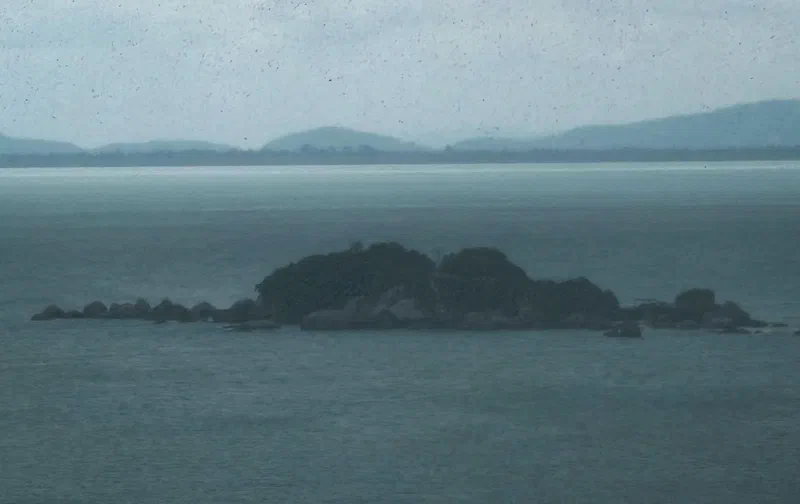
Can you spot the rat in the rain?

Can you spot the rat in the rain? Pulau Tikus during a downpour, as seen from Teluk Tikus (Tanjung Bungah beach).

The islet of Pulau Tikus (Rat Island) sits in the North Channel, marking the entrance to Penang’s harbour. Its name was recorded in Captain Light’s journal in 1786, but it had already appeared earlier in a rare eighteenth-century Malay navigation chart, alongside Tanjong Puchat Muka (Muka Head). That makes the two coastal landmarks on the north coast the earliest recorded place names other than Pulau Pinang itself. This tiny rock also lends its name to the settlement of Pulau Tikus.

Can you spot the rat in the rain? — image 1

https://www.eugenequah.com/blog/can-you-spot-the-rat-in-the-rain/

Copyright © 2026 Eugene Quah Ter-Neng. All rights reserved.

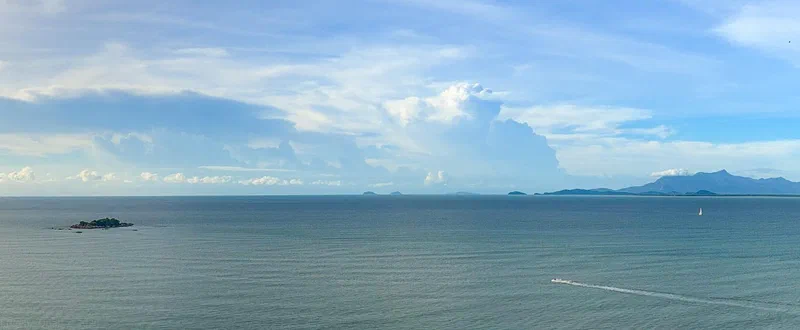
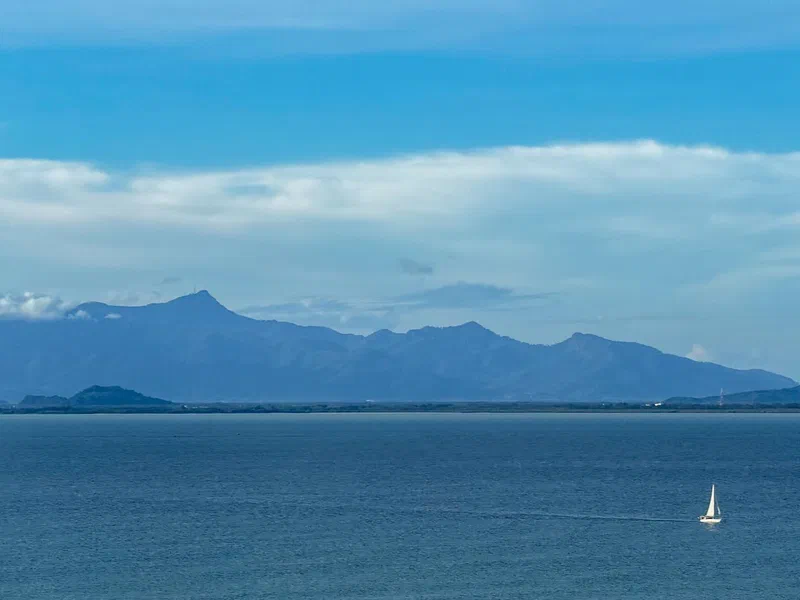
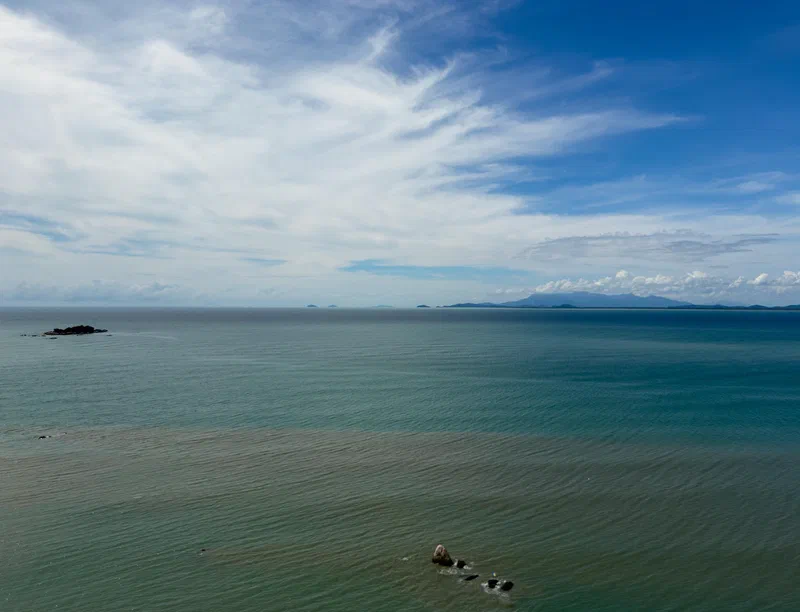
A gorgeous afternoon off the north coast

A gorgeous afternoon off Penang’s north coast — Pulau Tikus marks the northern approach to Penang Harbour along the North Channel, with the distant silhouette of Gunung Jerai (Kedah Peak) rising majestically from the Kedah mainland. The brilliant white sail of a lone sailboat gliding across the calm waters just completes the scene.

Shot from the 17th floor of Tanjung Point Residences.

A gorgeous afternoon off the north coast — image 1
A gorgeous afternoon off the north coast — image 2
A gorgeous afternoon off the north coast — image 3

https://www.eugenequah.com/blog/a-gorgeous-afternoon-off-the-north-coast/

Copyright © 2026 Eugene Quah Ter-Neng. All rights reserved.

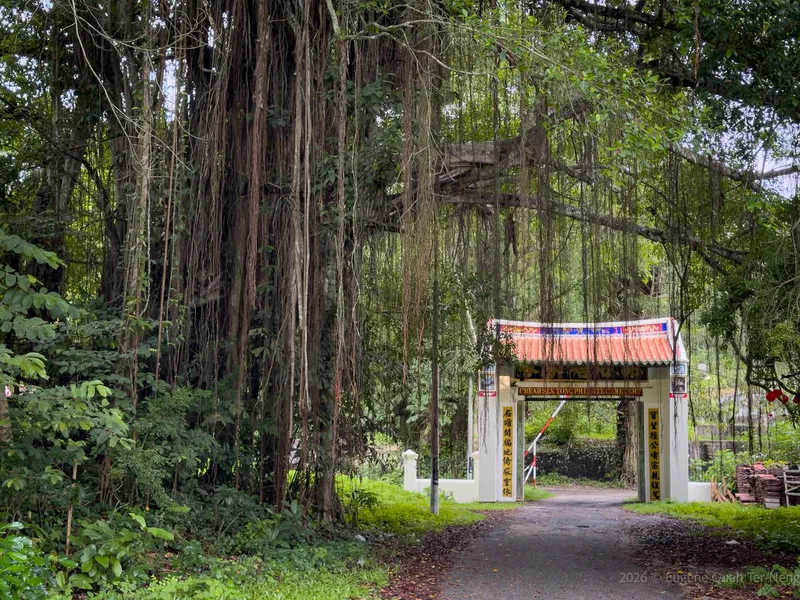
The Cheah Sek Tong Private Cemetery

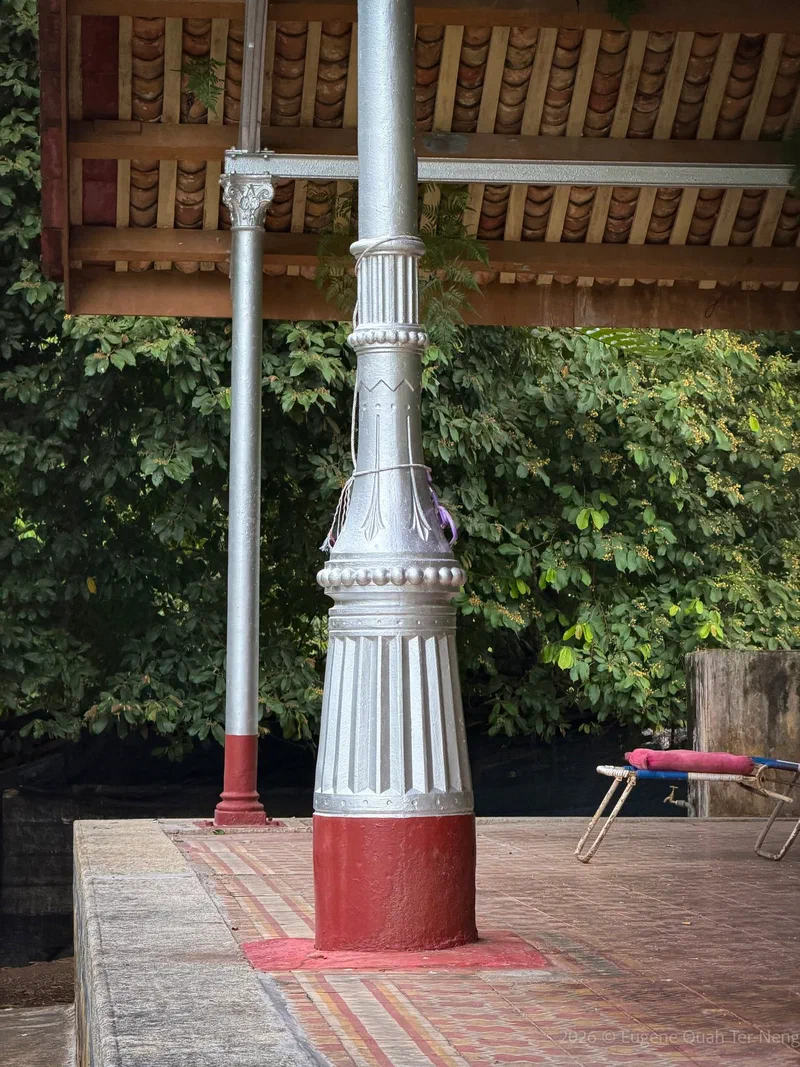
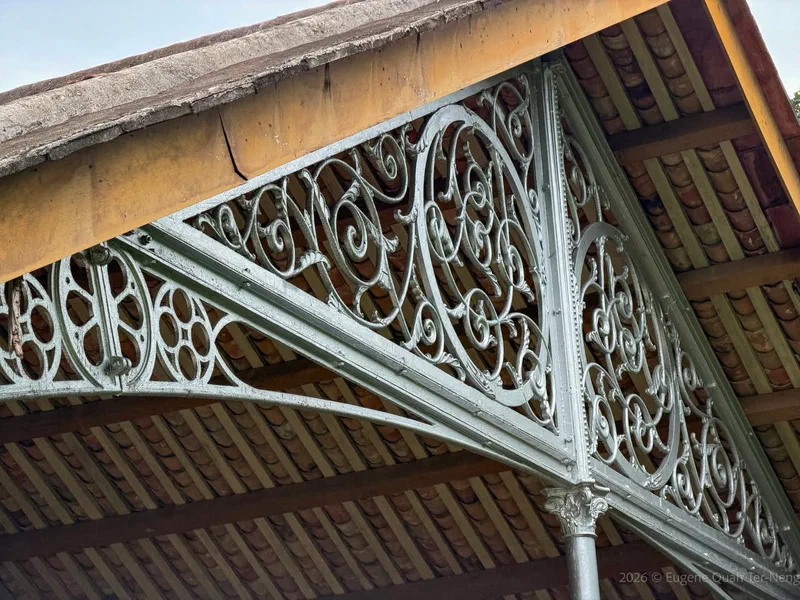
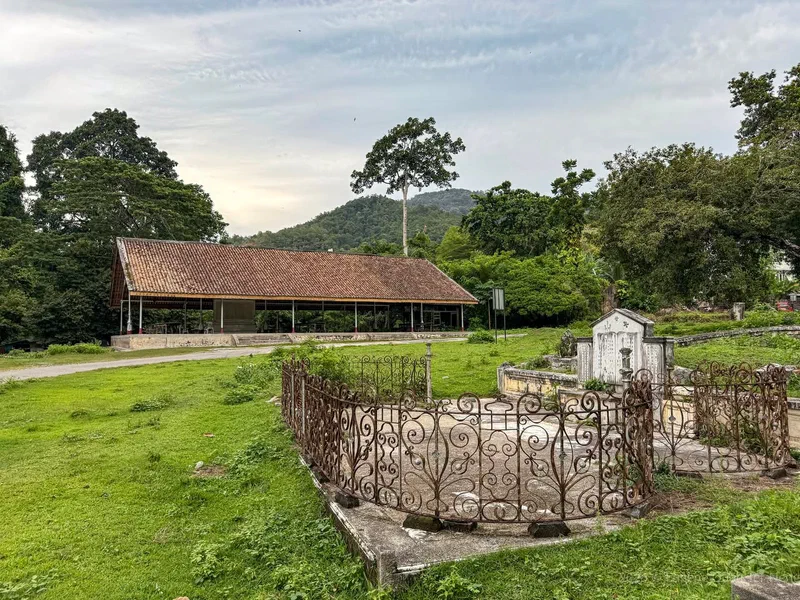
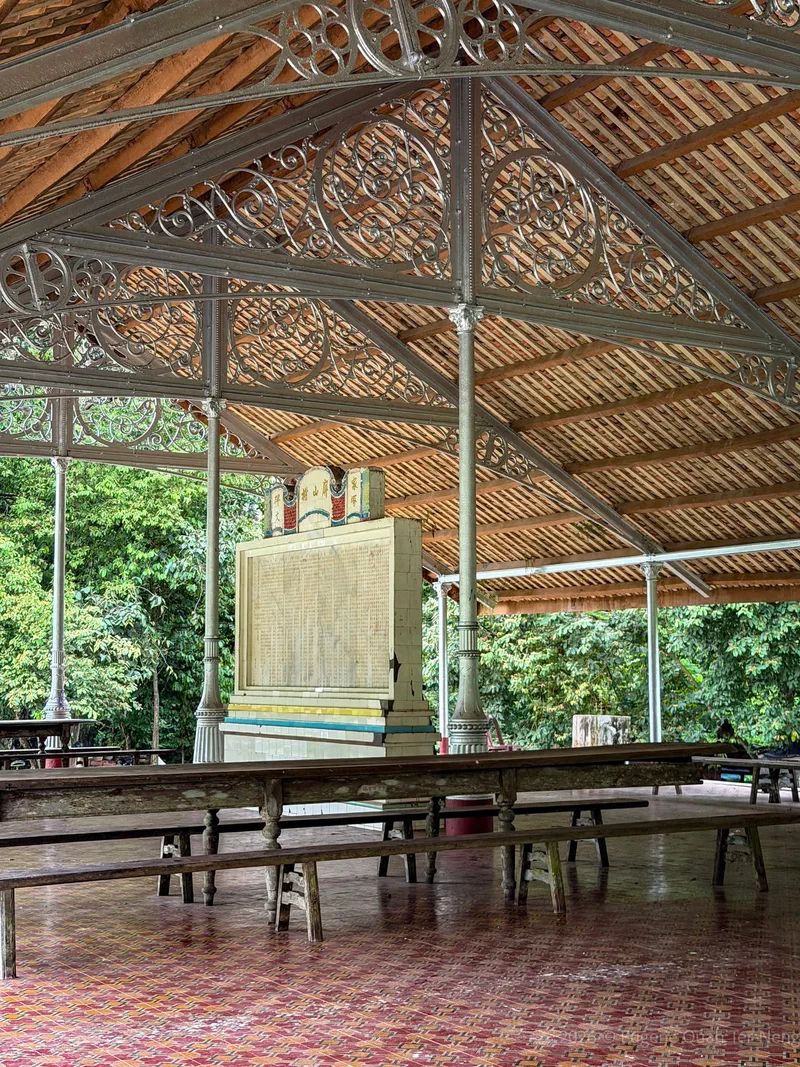
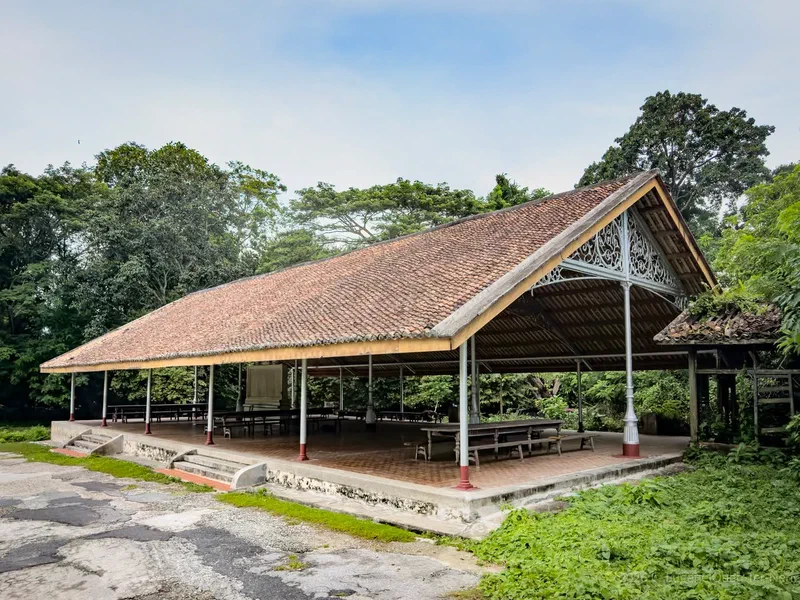
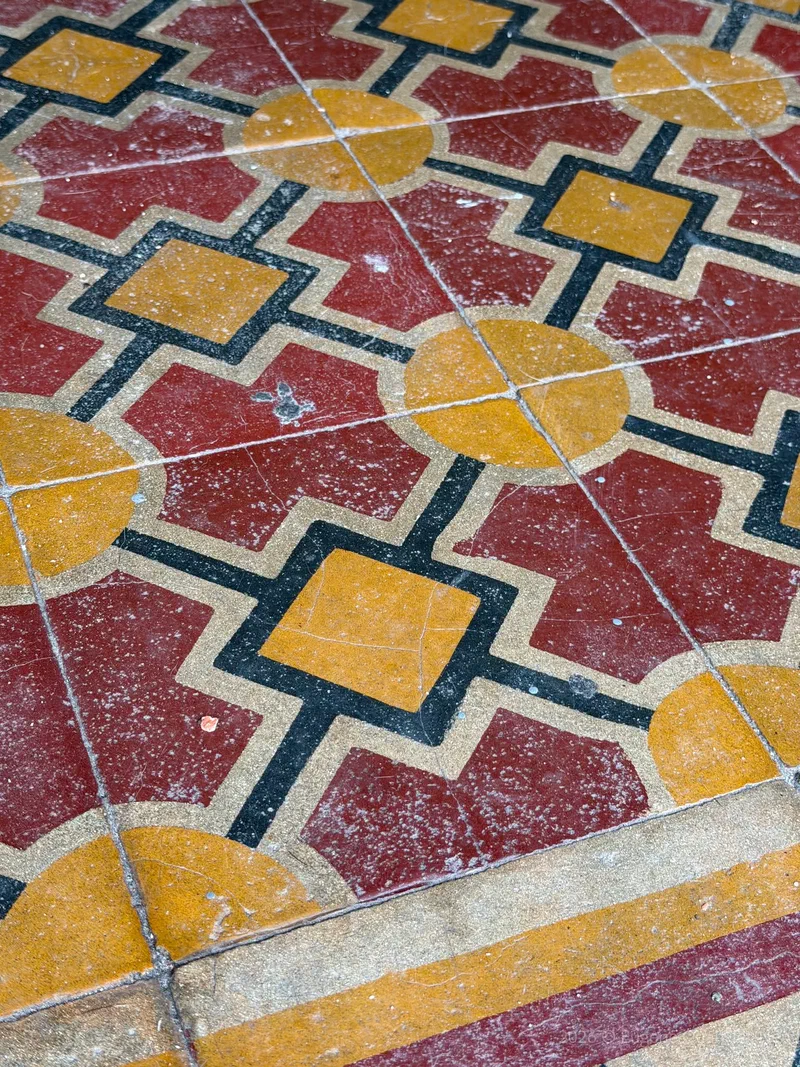
Explored the well-kept Cheah Sek Tong Private Cemetery with Moe (Mohammad Nasrullah Bin Zulkifli). The late Victorian / Edwardian style pavilion features cast iron support beams and pillars that feature intricate motifs. The pavilion houses a large stele inscribed with the rules of the Cheah private cemetery.

According to researcher Lee Kam Hing, in 1901, a “30-acre cemetery for the Cheah 谢 clan” was established along the Mount Erskine Road area (it is actually at the foothills of Mount Olivia). Lee’s source was likely the epigraphic expert Wolfgang Franke.

On the other hand, Cheah Jin Teong, the grandson of Cheah Choo Yew who established the cemetery, gives the year 1909 instead during his talk on the history of the Cheah Kongsi at the Colloquium on the History of Chinese Communities, part of the Penang Story project more than 20 years ago. Cheah appears to be referencing Ong Seng Huat of the Malaysian Chinese Historical and Cultural Relic Survey. Ong gave this later date when interviewed by David Tan for the article “The Early Hokkiens in Penang”, which Cheah presents; however, he does not quote any sources.

The Cheah Sek Tong Private Cemetery — image 1
The Cheah Sek Tong Private Cemetery — image 2
The Cheah Sek Tong Private Cemetery — image 3
The Cheah Sek Tong Private Cemetery — image 4
The Cheah Sek Tong Private Cemetery — image 5
The Cheah Sek Tong Private Cemetery — image 6
The Cheah Sek Tong Private Cemetery — image 7

Sources:

  1. Lee Kam Hing (2016), “State Policy, Community Identity, and Management of Chinese Cemeteries in Colonial Malaya”, Archipel, Vol. 92, 2016, pp. 91-110
  2. David Tan (c. 2002), “The Early Hokkiens in Penang”, https://www.xiao-en.org/system/magazine/pdf/b1-15_eng.pdf

https://www.eugenequah.com/blog/the-cheah-sek-tong-private-cemetery/

Copyright © 2026 Eugene Quah Ter-Neng. All rights reserved.