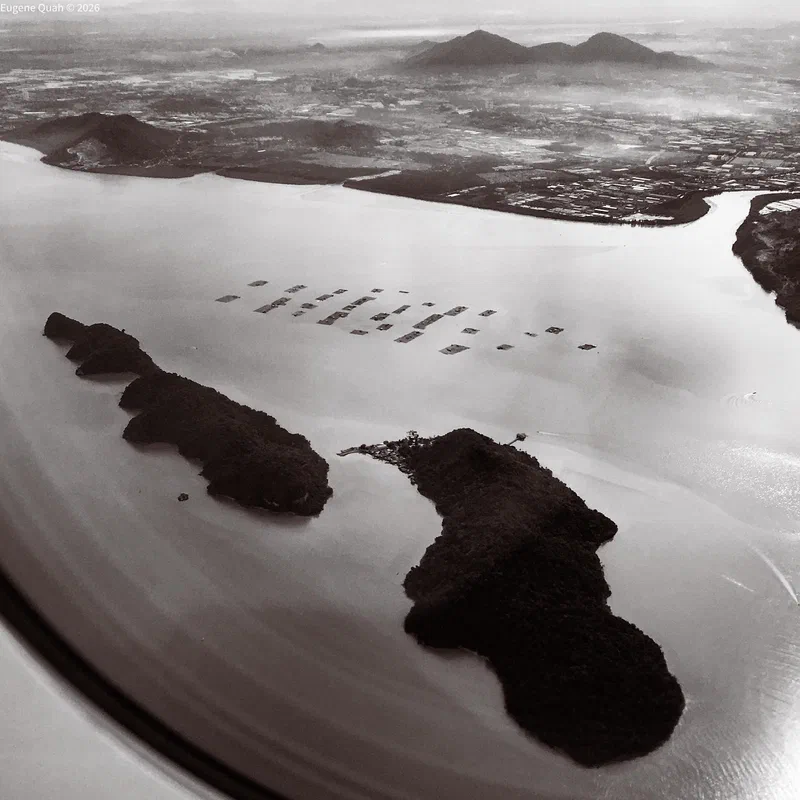
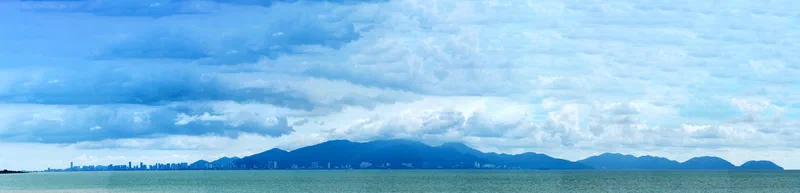
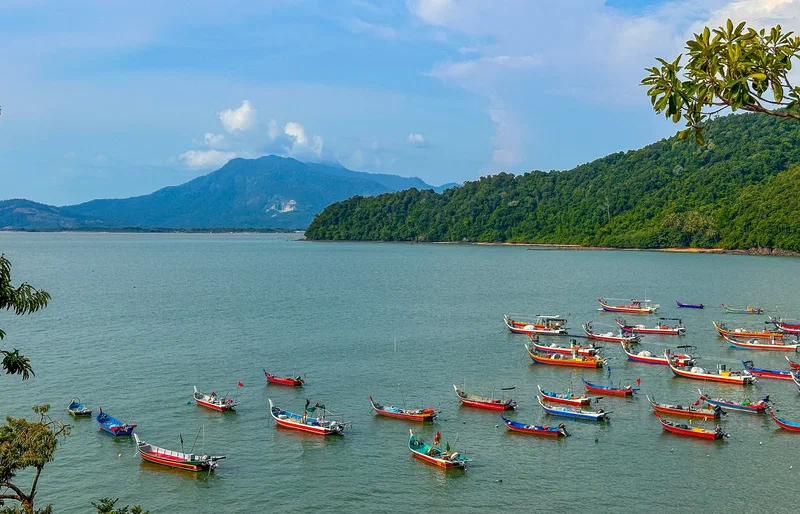
Aerial view of the coast of the Penang mainland from Juru to Batu Kawan in 2016.
Clockwise from the island in the foreground: Pulau Aman (formerly Pulau Kra), Pulau Gedung, Bukit Juru (small peak by the coast), Bukit Mertajam in the distance and the mouth of Sungai Jawi (formerly Jejawi meaning banyan tree). Fishing platforms called kelong can be seen between the islands and the mainland.
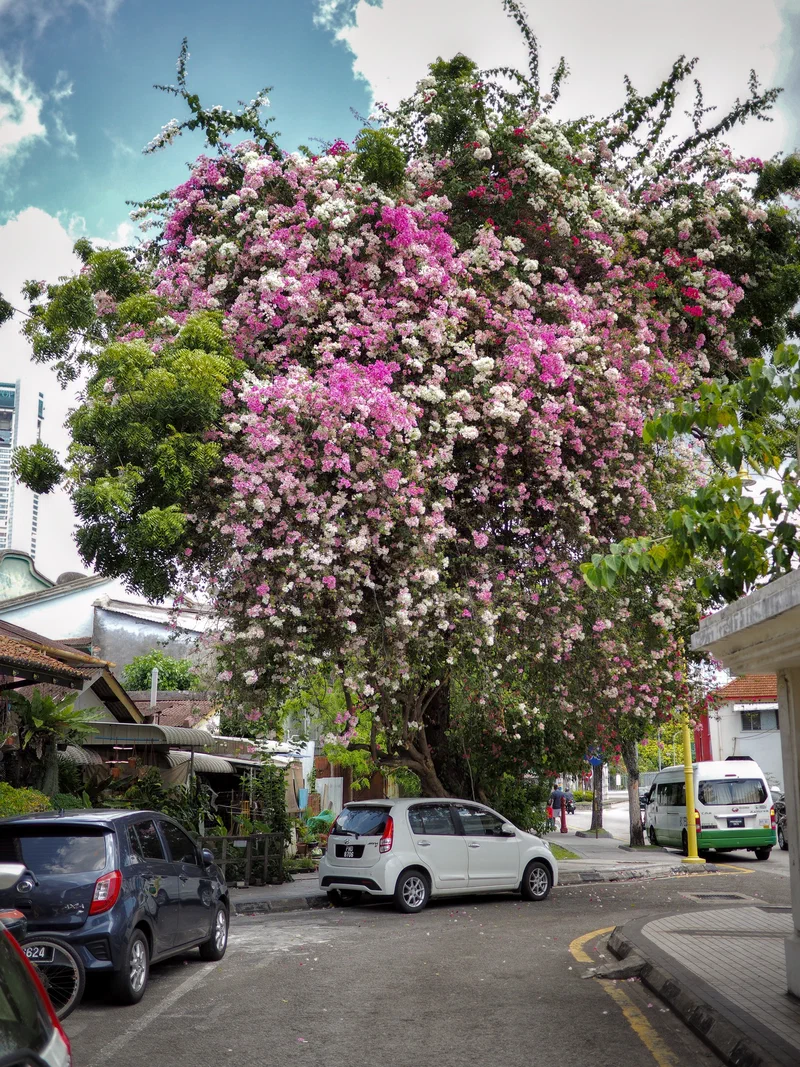
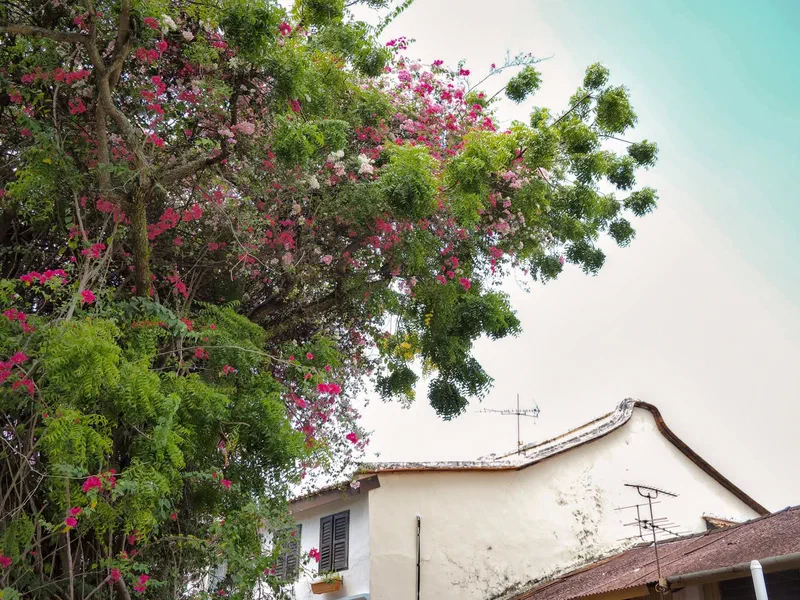
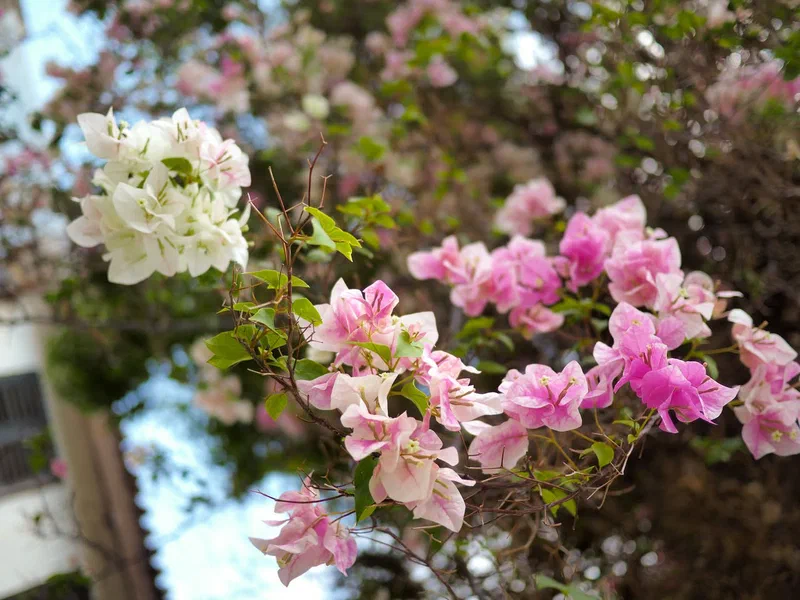
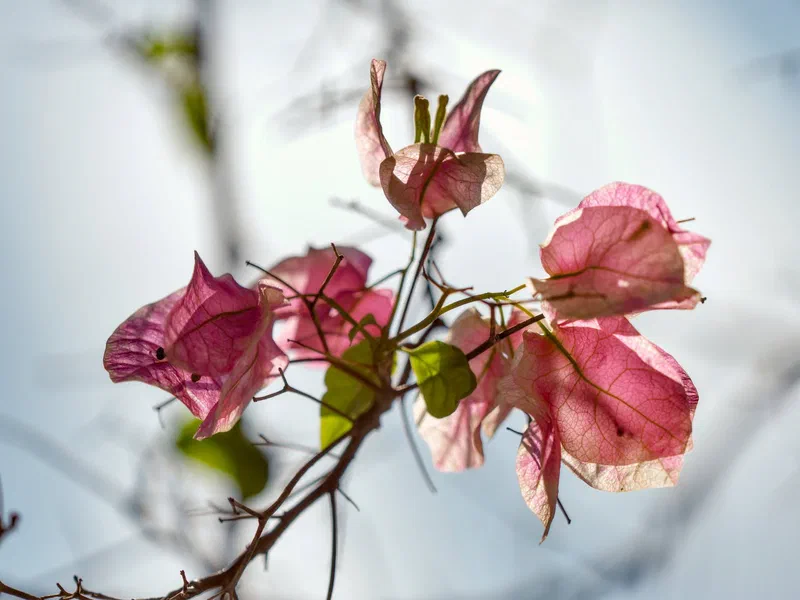
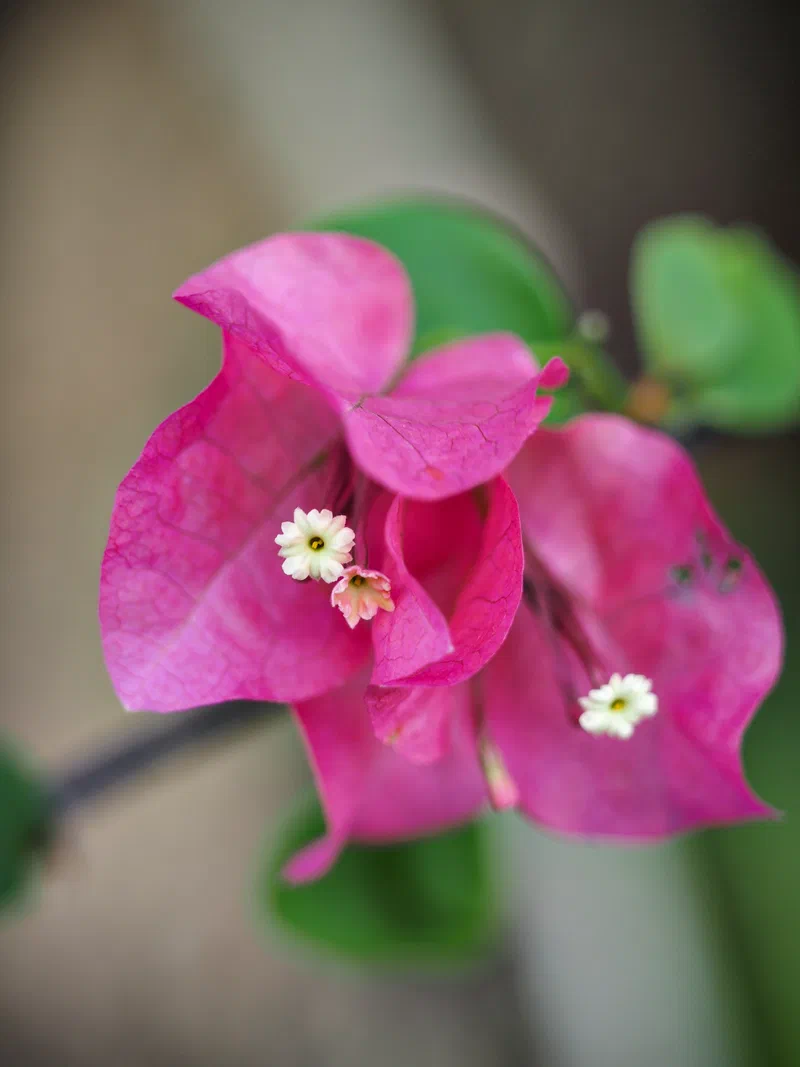
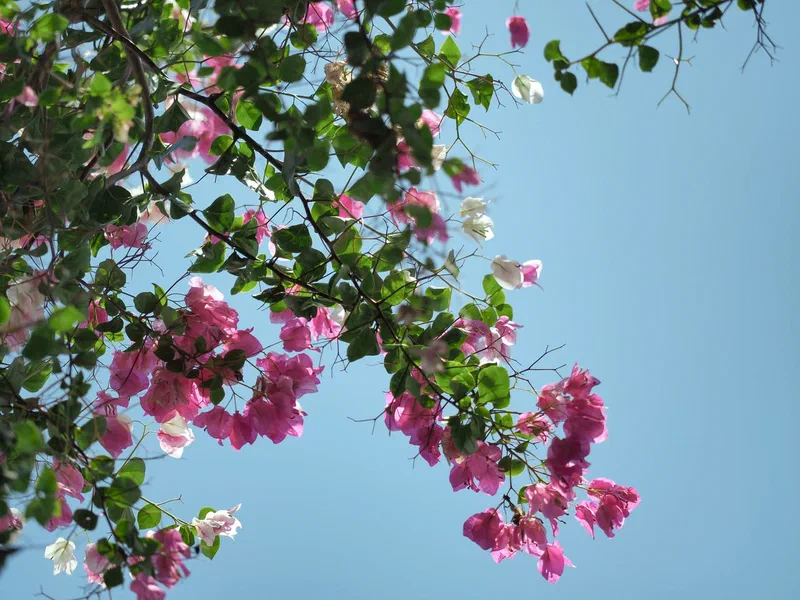
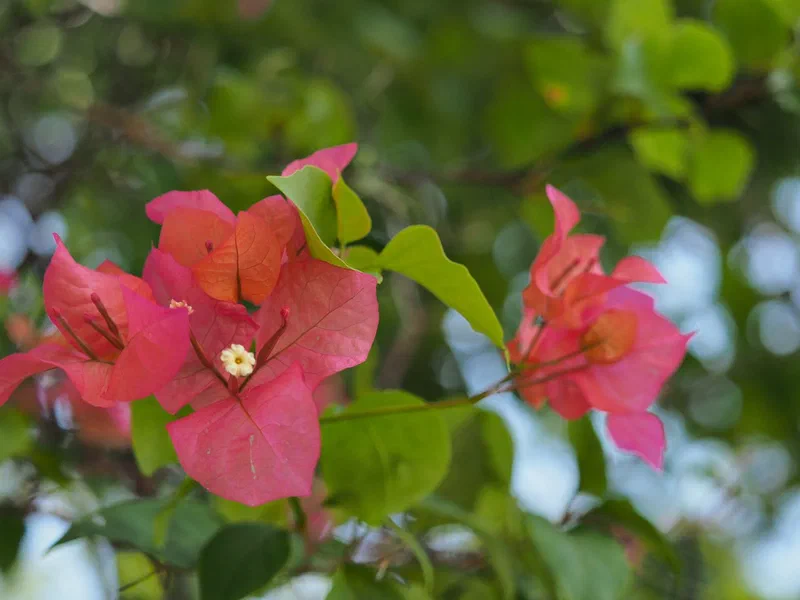
The bougainvillea – you probably have one at home, or have seen it climbing over a fence or spilling across a wall in your neighbourhood. This ornamental plant from the Americas, now an ordinary sight across Malaysia, has an extraordinary origin story.
Last year, a stunning specimen at Kampung Kolam in George Town sparked my curiosity. What began as a short post soon grew into something much bigger, because the story behind this beloved bunga kertas turned out to be more gripping than fiction.
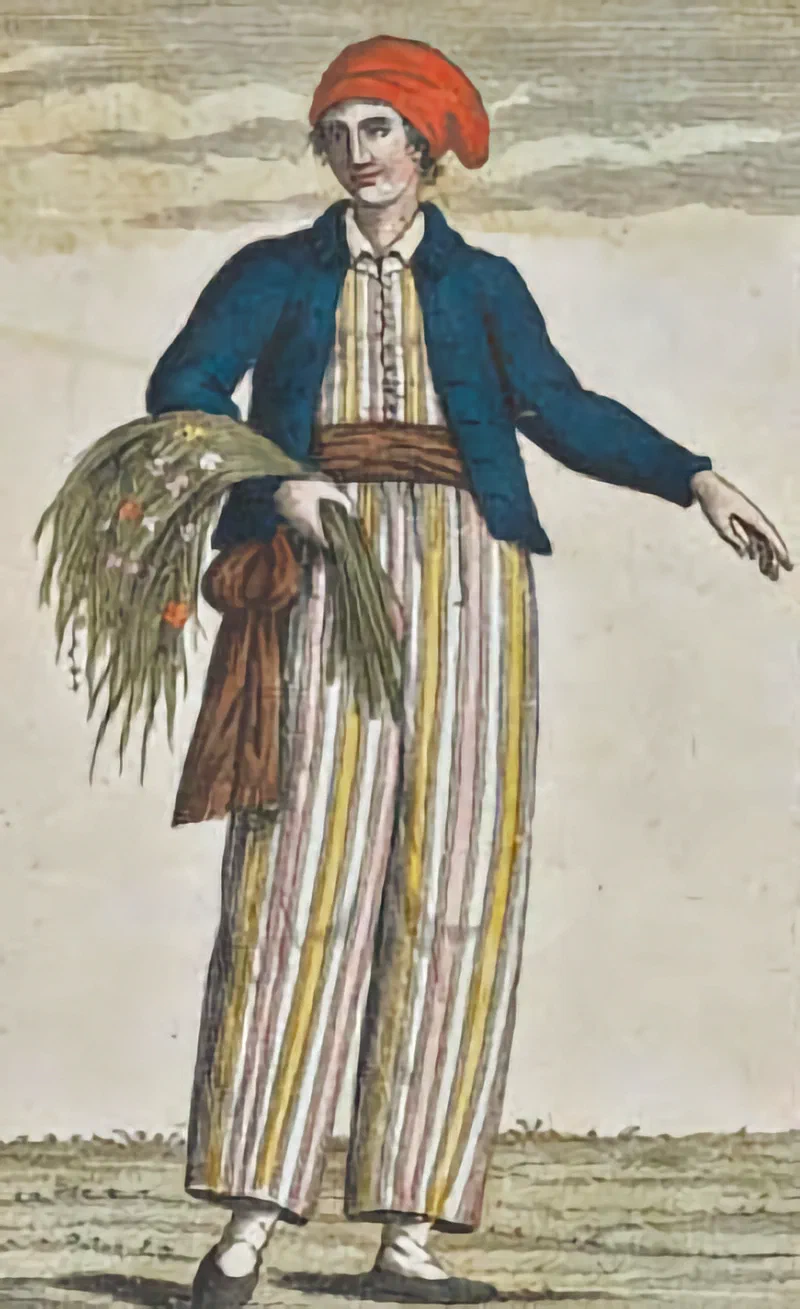
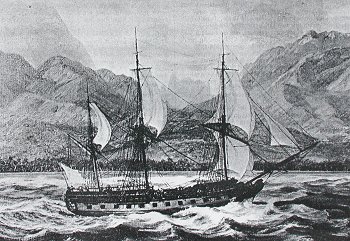
At its heart is Jeanne Baret, ‘a country girl and amateur botanist with a wide knowledge of medicinal plants’, who, in 1766, disguised herself as a man to join a French naval expedition in order to be with her lover, the expedition’s naturalist. She would end up becoming the first known woman to circumnavigate the globe. Women were forbidden on French naval vessels at the time.
During a stop in Brazil, she collected a flamboyant vine that would one day travel across oceans and empires, eventually taking root in gardens from Europe to Southeast Asia.
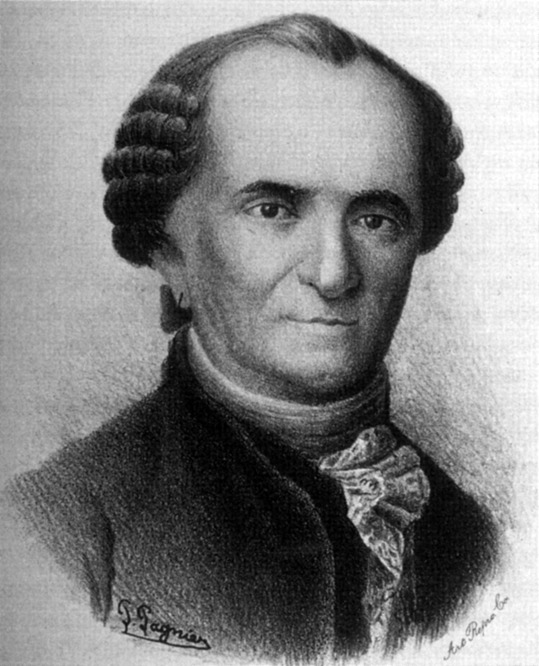
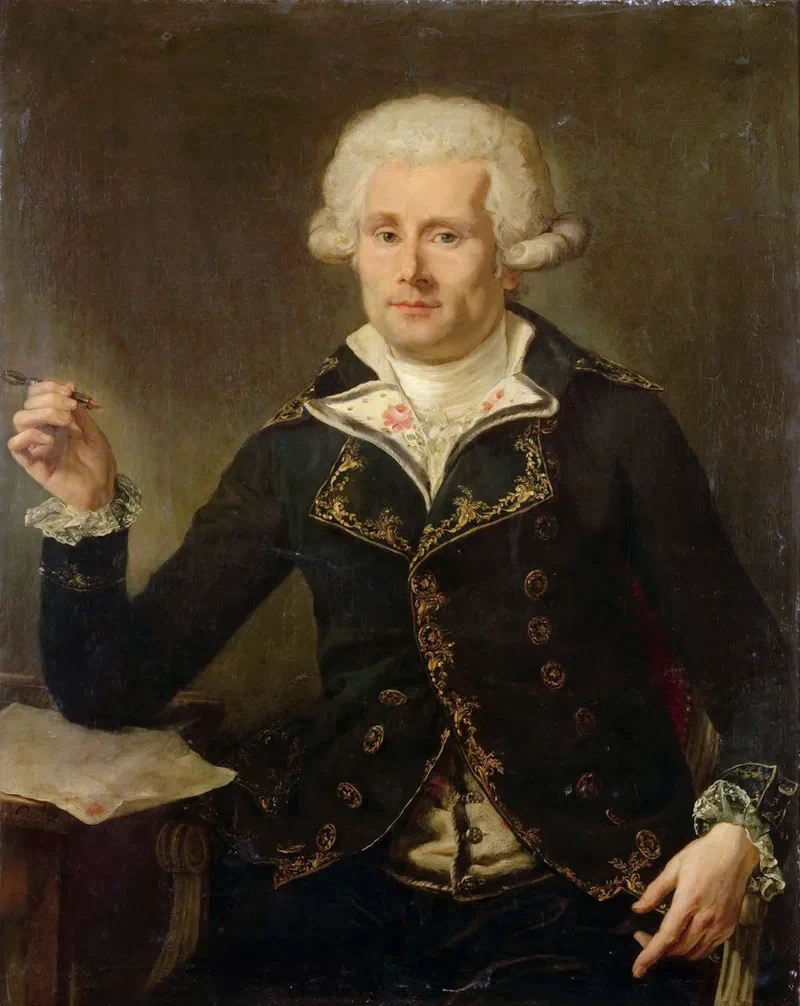
The plant was later named bougainvillea – not after her, but after the expedition’s admiral.
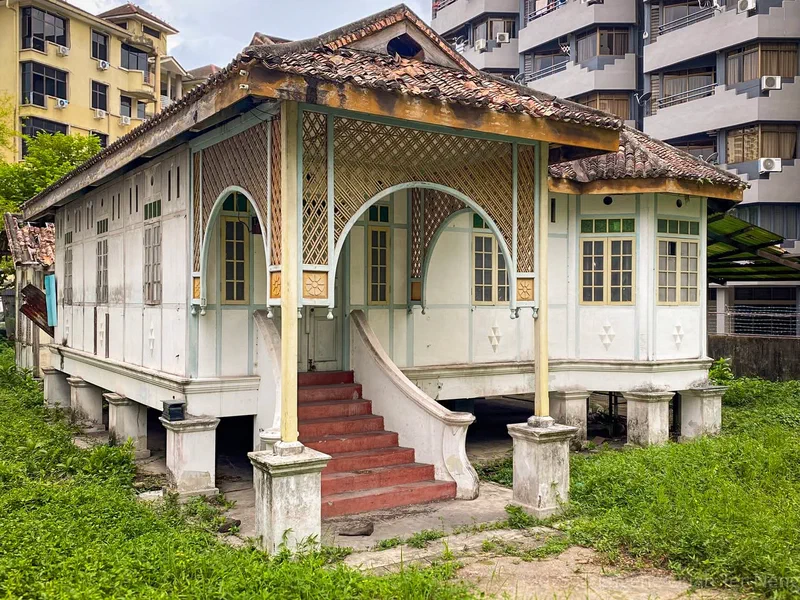
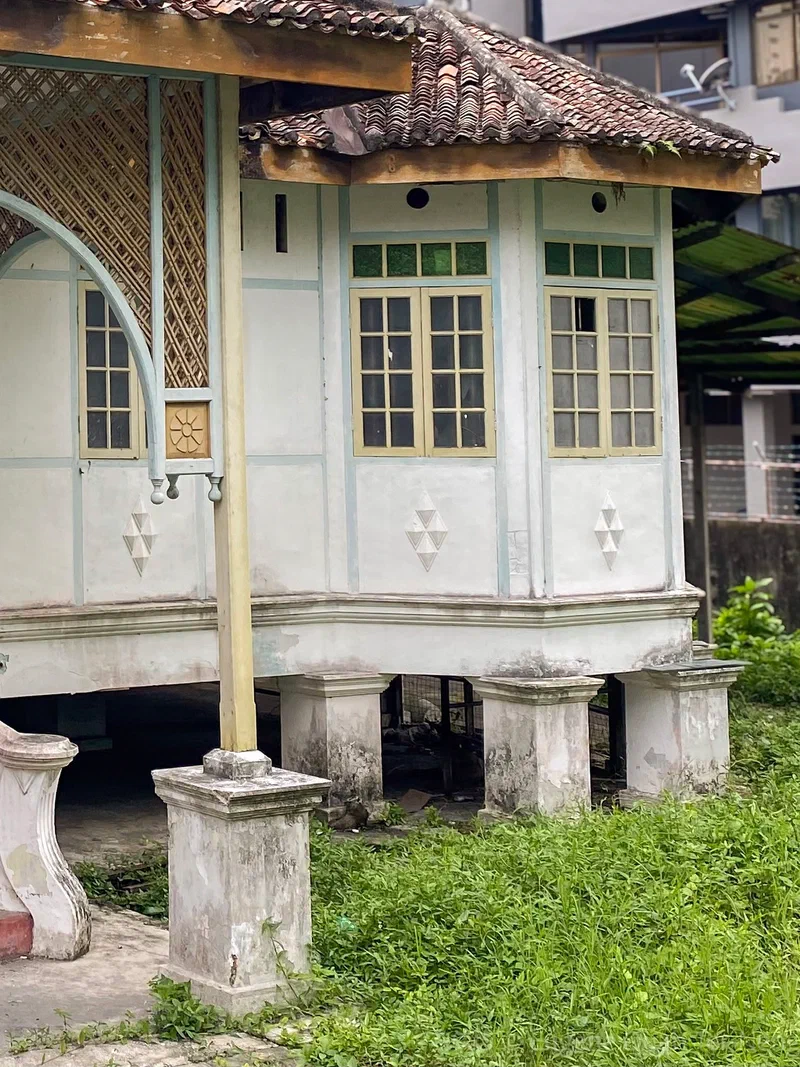
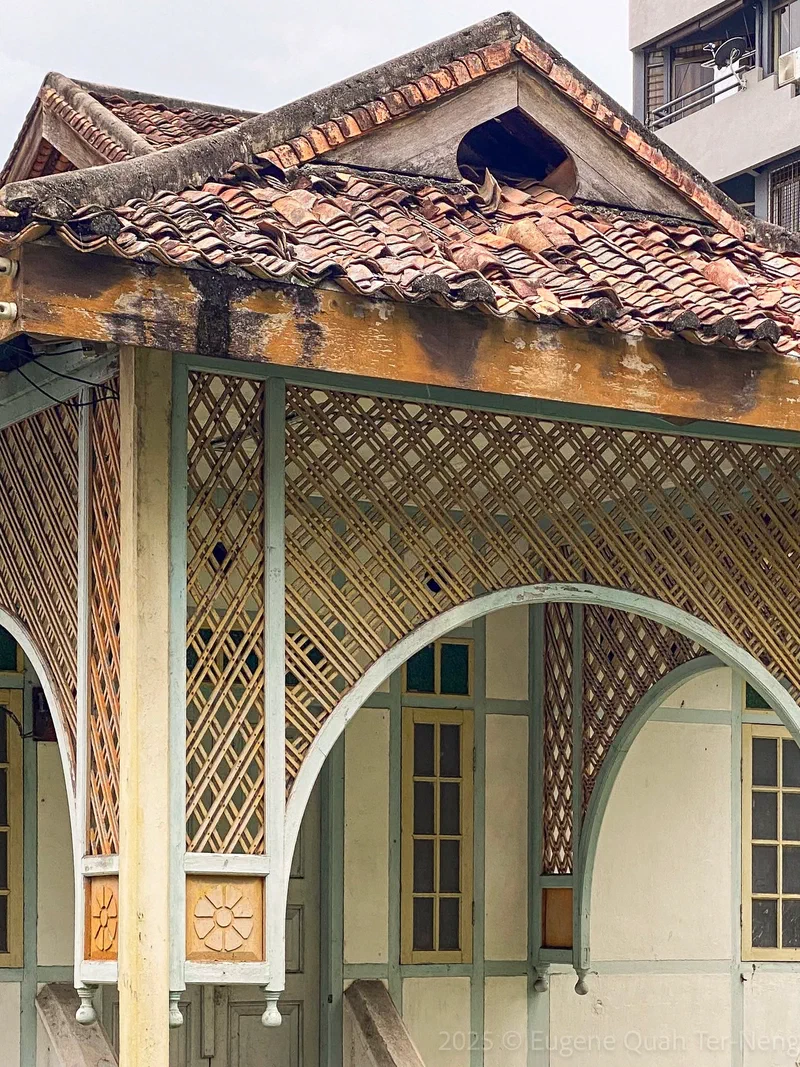
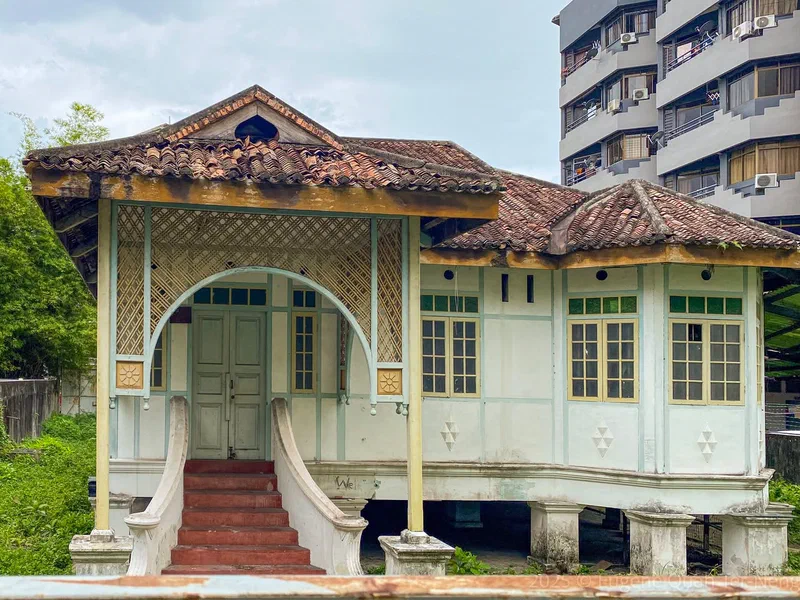
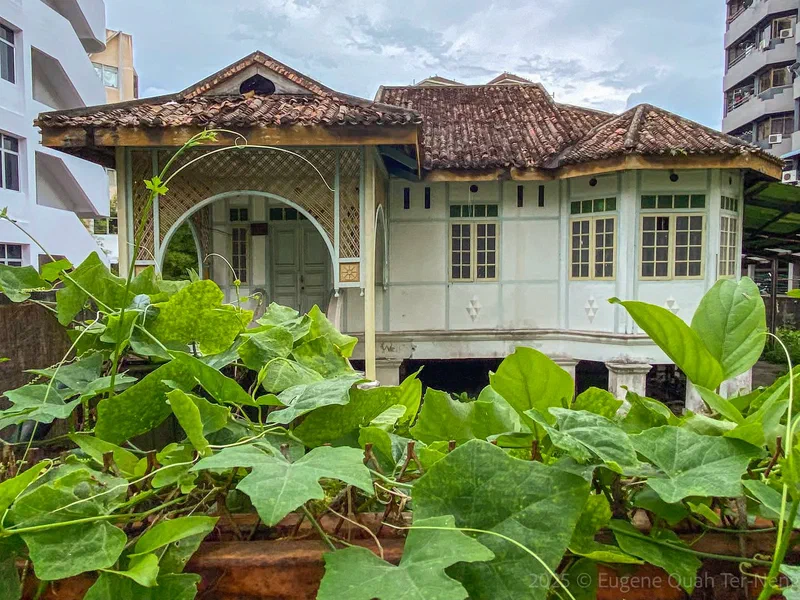
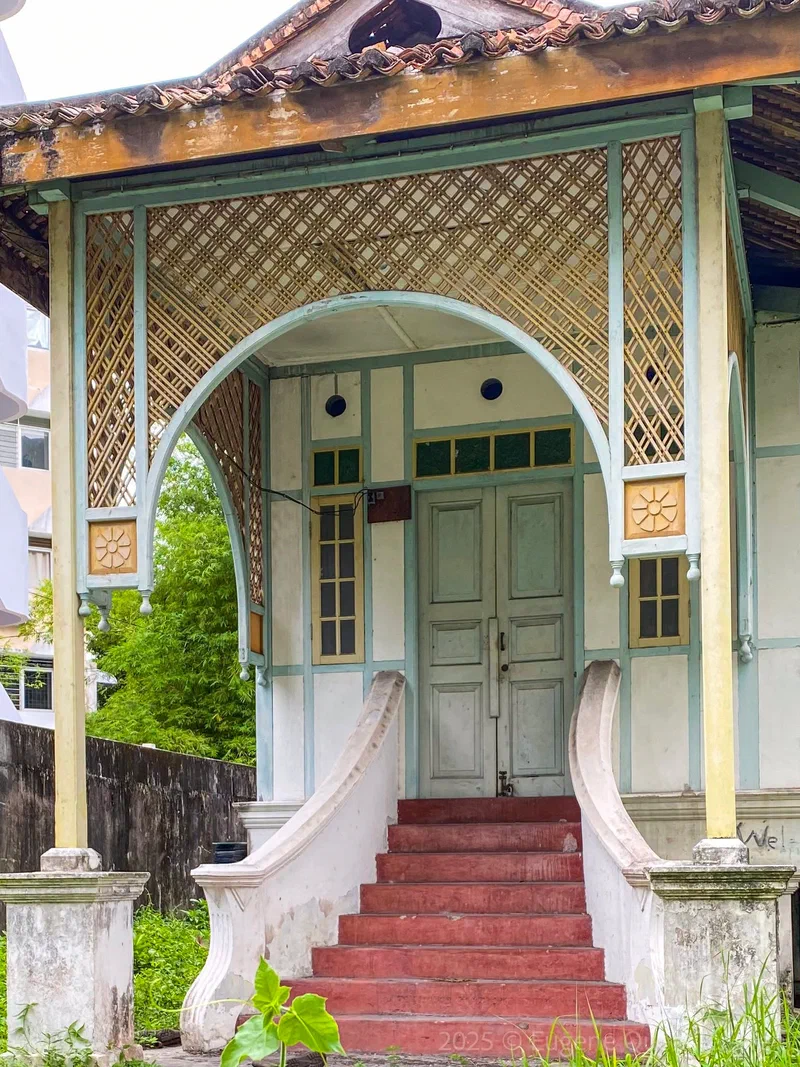
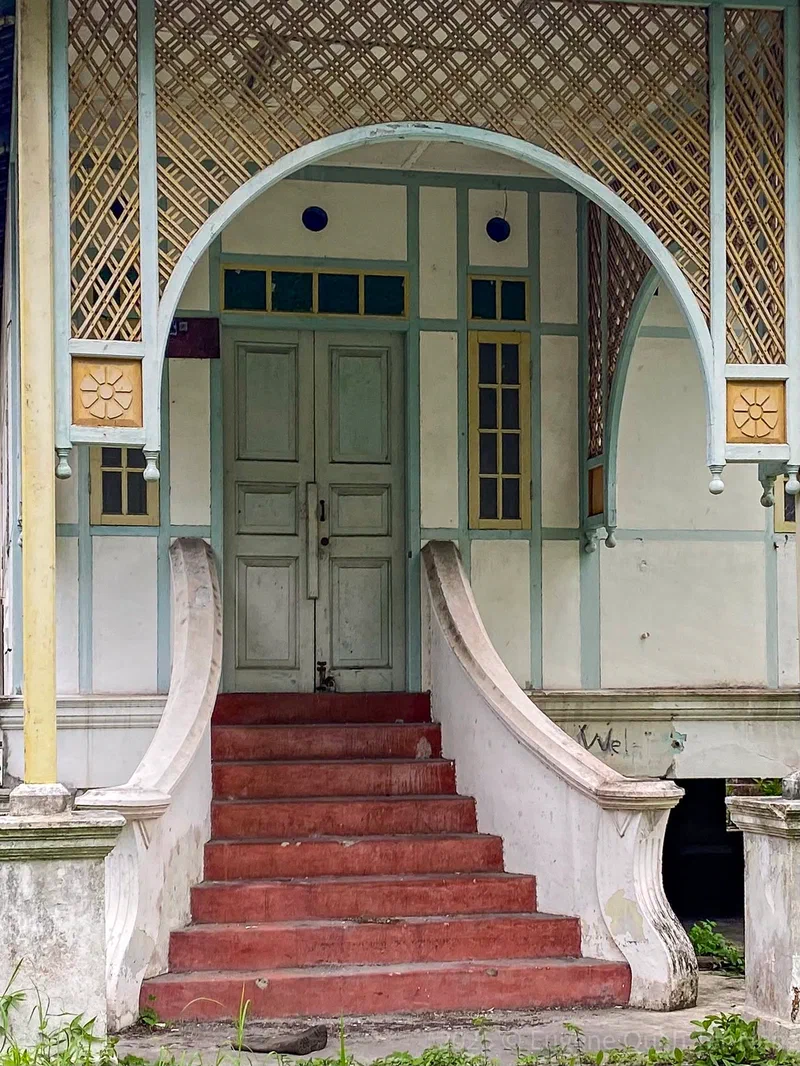
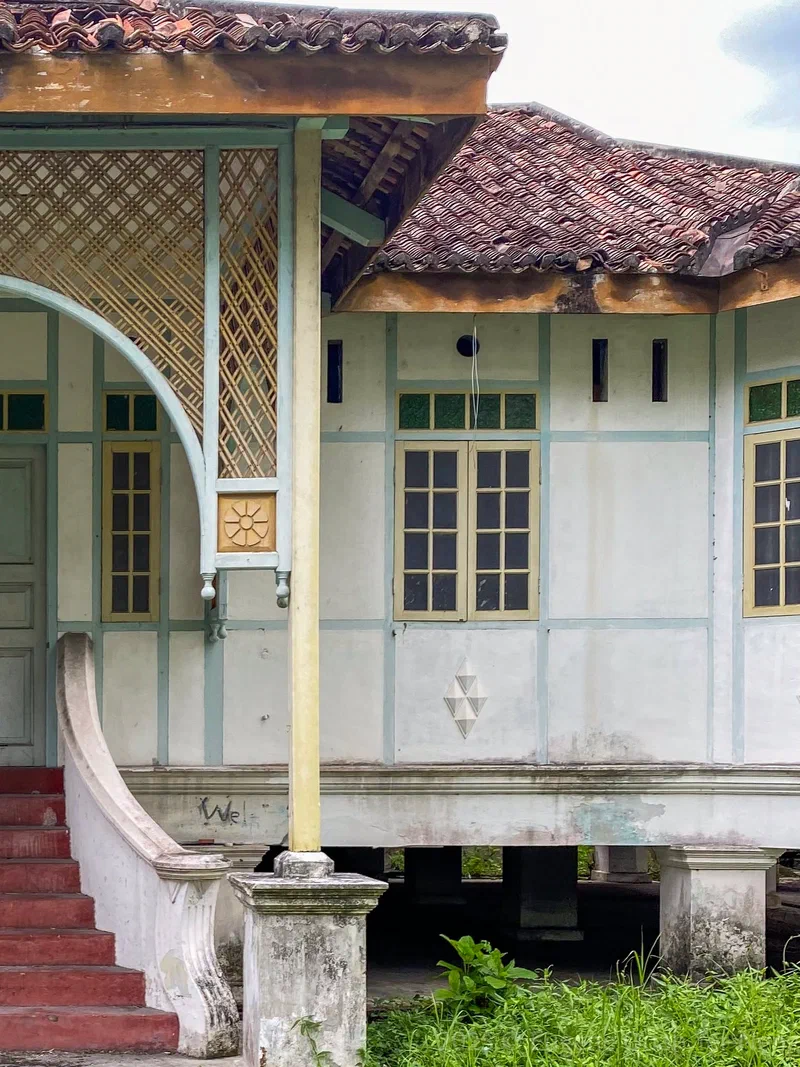
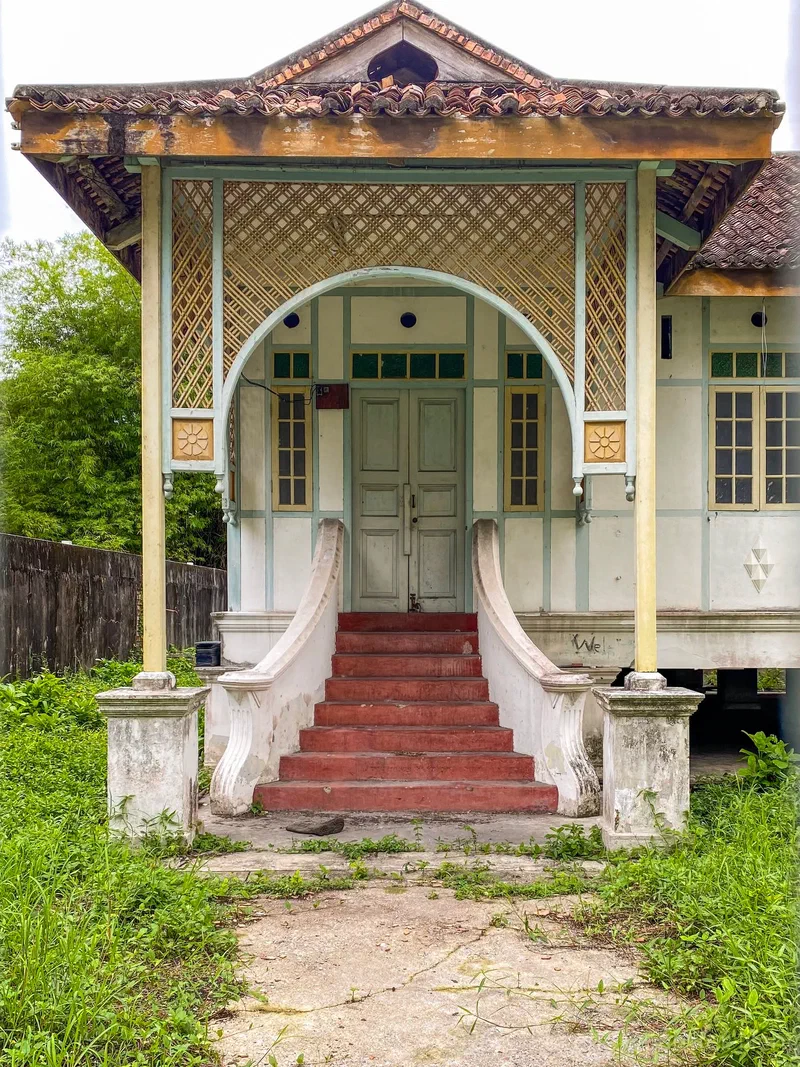
This derelict but once elegant house on Kelawei Road stands directly opposite Gurney Plaza. It appears to be an early 20th century phû-kha lâu - Hokkien for a bungalow raised on stumps. Its design bears a strong resemblance to the work of P.W. Taylor or his colleague W. Woodford. The house has the form of a late-Edwardian asymmetric pile with a chancel arch filled with lattice in front.
Source: Jon Sun Hock Lim (2022), The Penang House pg. 41, 44
In our first article of the year, Rexy Prakash Chacko and I tracked down the places mentioned in the Hikayat Merong Mahawangsa or the Kedah Annals.
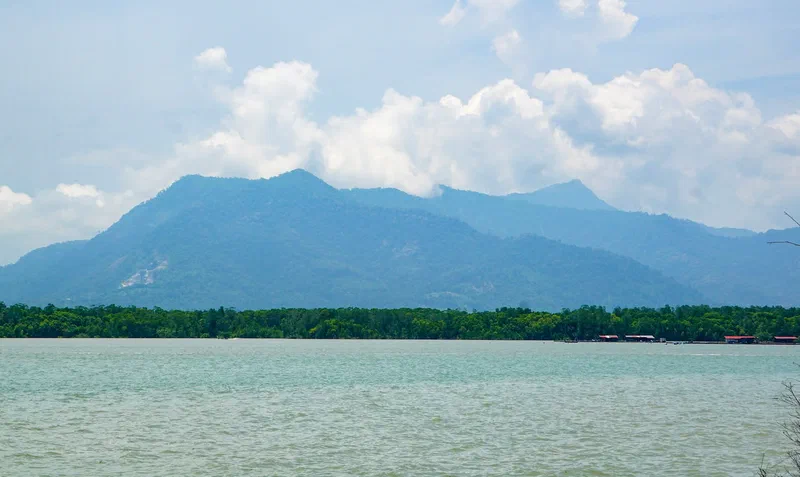
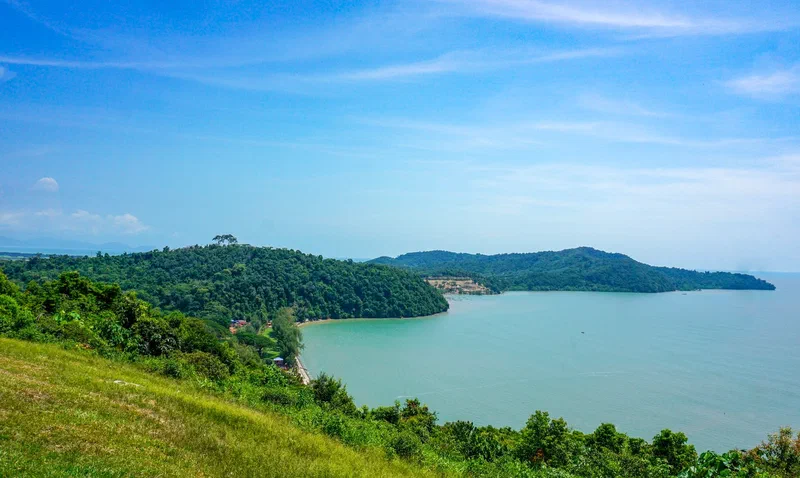
Excerpt: Many centuries ago, when the island of Srai (ไทร) – meaning “banyan tree” in Siamese – had just become attached to the mainland, forming what we now know as Mount Jerai, the king of this ancient land of Kedah embarked on a coastal expedition. Urged by his trusted and loyal menteri keempat (fourth minister), and weary of his residence, the Raja travelled north from Kuala Muda, spending his days “finding fish along the seashore and taking pleasure in the hunting of all manner of beasts”. Thus recounts the Hikayat Merong Mahawangsa, also known as the Kedah Annals.
This King, described as a man of exceeding virtue, bore the title “Phra Ong Mahapodisat” (พระองค์ มหาโพธิสัตว์) – the Exalted Great Bodhisattva. The Hikayat tells us that upon reaching Tanjung Puteri – the Cape of the Princess – near the mouth of the Merbok River, the King remained unimpressed, but when the entourage pressed on to Bukit Meriam (Cannon Hill), the location captured his heart immediately. He ordered at once for a palace to be raised there. The hill was also near a neighbouring elevation, Bukit Penjara (Prison Hill), where his father – the dreaded and despised Raja Bersiong, the Fanged King – had once built an earthen fort and kept a prison.