July 2025

Browse the archive
202655
202558
202455
202338
202224

The Kuala Selangor Lighthouse

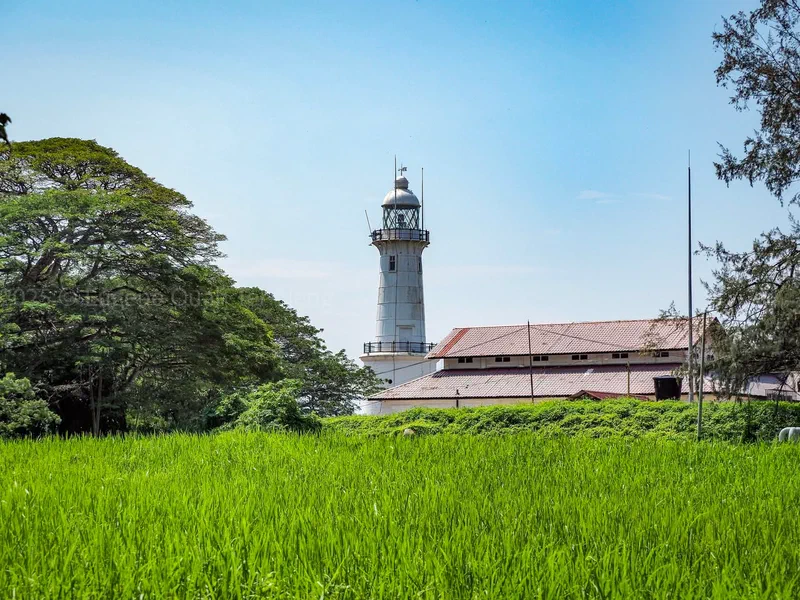
View of the handsome Kuala Selangor Lighthouse (Rumah Api Kuala Selangor) as seen on 3 January 2025. This lighthouse is often incorrectly referred to as the Altingsburgh Lighthouse.

Bukit Malawati – the strategic hill on which it stands – commands a sweeping view of the Straits of Malacca. This elevated position was once the site of Kota Malawati, a fort built by the Sultanate of Selangor. The Dutch captured and renamed the fort in 1784 to Fort Altingsburgh (Alting’s Hill) after Willem Arnold Alting, the Governor-General of the Dutch East Indies. Sultan Ibrahim of Selangor recaptured it in June 1788. To this day the hill and fort remain known by their original name, Malawati. The British authorities did refer to it as Kuala Selangor Hill but never by its former Dutch name, Altingsburgh.

In late September 1905, Trinity House – the official authority on lighthouses throughout the British realms – issued a call for tenders for a lighthouse at the hill:

“Tenders have been invited by Trinity House, London, for the construction of an iron lighthouse, Kuala Selangor Hill … together with a lantern and plate glass for the same”.

It is often claimed today that the current lighthouse was built to replace a former Dutch lighthouse on the site, but no evidence supports this assertion. When explorer Isabella Bird visited Bukit Malawati in 1879, she made no mention of seeing any lighthouse at the summit—only the ruined walls of the fort and a “wretched habitation, mostly made of attap,” which housed the unfortunate collector and magistrate.

The 1906 Federated Malay States report presented to the UK Parliament noted that the building of the “Lighthouse Tower” at Kuala Selangor “has been delayed much longer than anticipated” due to the “non-delivery of the iron work ordered.” The Marine Department website states that construction was completed in 1907, but this is incorrect and probably refers to the date construction commenced.

The Straits Budget reported that the lighthouse was expected to be completed and operational only by November 1908:

“It is noticed in the Selangor Government Gazette that the new Kuala Selangor lighthouse is nearing completion, and that it is expected that the 2nd order occulting white light every 30 seconds … will therefore be exhibited early next month”.

The estimated cost for constructing the 27-metre-tall lighthouse as of October 1908 was $77,965.

Today, the lighthouse remains in active use and is well worth a visit.
The Kuala Selangor Lighthouse — image 1

Sources:

  1. Straits Echo, 22 June 1908, Page 5
  2. The Straits Budget, 8 October 1908, Page 15
  3. Pinang Gazette and Straits Chronicle, 26 September 1905, Page 6
  4. Isabella Lucy Bird (1882), “The Golden Chersonese and the Way Thither”, pg 309
  5. Dennis De Witt (2011), “History of the Dutch in Malaysia” pg. 111-112
  6. Federated Malay States Report for Year 1906

https://www.eugenequah.com/blog/the-kuala-selangor-lighthouse/

Copyright © 2026 Eugene Quah Ter-Neng. All rights reserved.

Sunset at Pantai Mek Mas, Kelantan

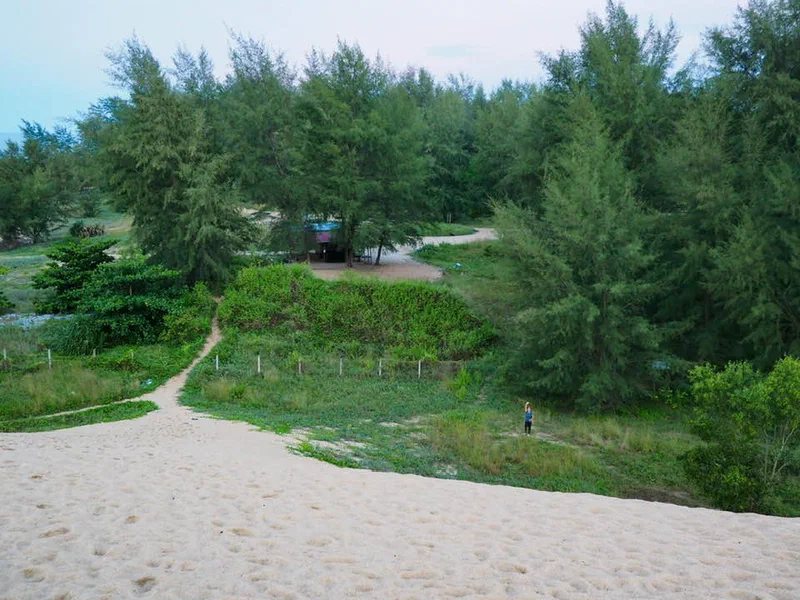
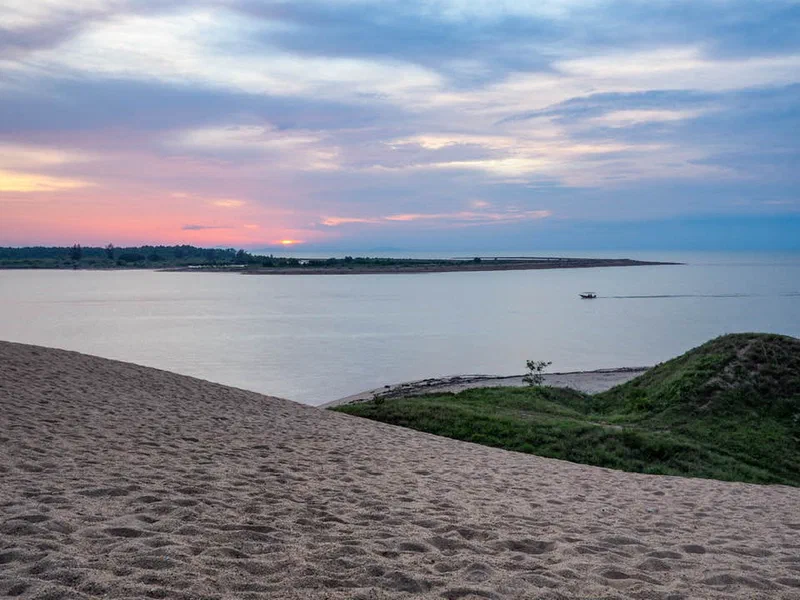
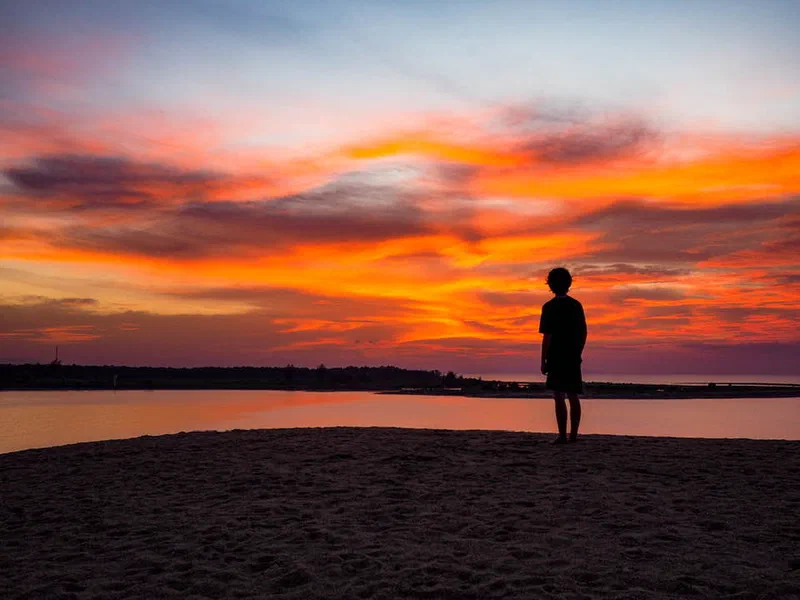
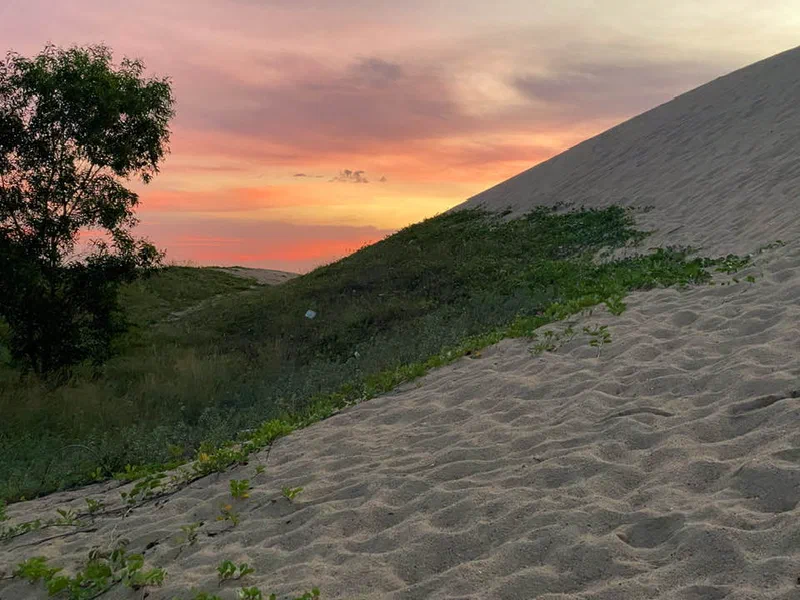
The towering sand dunes of Pantai Mek Mas rise where the Kelantan River meets the sea. After navigating the narrow, rutted kampung lanes, shaded by swaying coconut trees, one is rewarded with one of the Malaysian East Coast’s most sublime spectacles – the sun setting over the South China Sea. Within just ten minutes, the sky transforms from soft pastels to bold strokes of purple and orange, a fiery display before darkness falls.

Sunset at Pantai Mek Mas, Kelantan — image 1
Sunset at Pantai Mek Mas, Kelantan — image 2
Sunset at Pantai Mek Mas, Kelantan — image 3
Sunset at Pantai Mek Mas, Kelantan — image 4
Sunset at Pantai Mek Mas, Kelantan — image 5

https://www.eugenequah.com/blog/sunset-at-pantai-mek-mas-kelantan/

Copyright © 2026 Eugene Quah Ter-Neng. All rights reserved.

A celebration of Penang's bookshops

Thanks Lee Choo Chong of 岛读 Book Island for sharing this timely and well-written celebration of Penang’s bookshops and the passionate people behind them—like Khoo Salma and yourself.

As an editor, I can’t help chuckling at the opening line “A well-edited bookstore”. While I’ve never taken my red pen to edit a storefront, I deeply appreciate the art of curation these booksellers practice daily. I think the writer was reaching for “well-curated.”

I’m also grateful to this article for introducing me to Loteng on Muntri Street—and now I’m questioning my life choices. How have I missed this treasure all this time? Must visit it soon.

https://www.eugenequah.com/blog/a-celebration-of-penangs-bookshops/

Copyright © 2026 Eugene Quah Ter-Neng. All rights reserved.

The Bougainvillea’s Journey - A Tale of Science and Romance Across the Seas

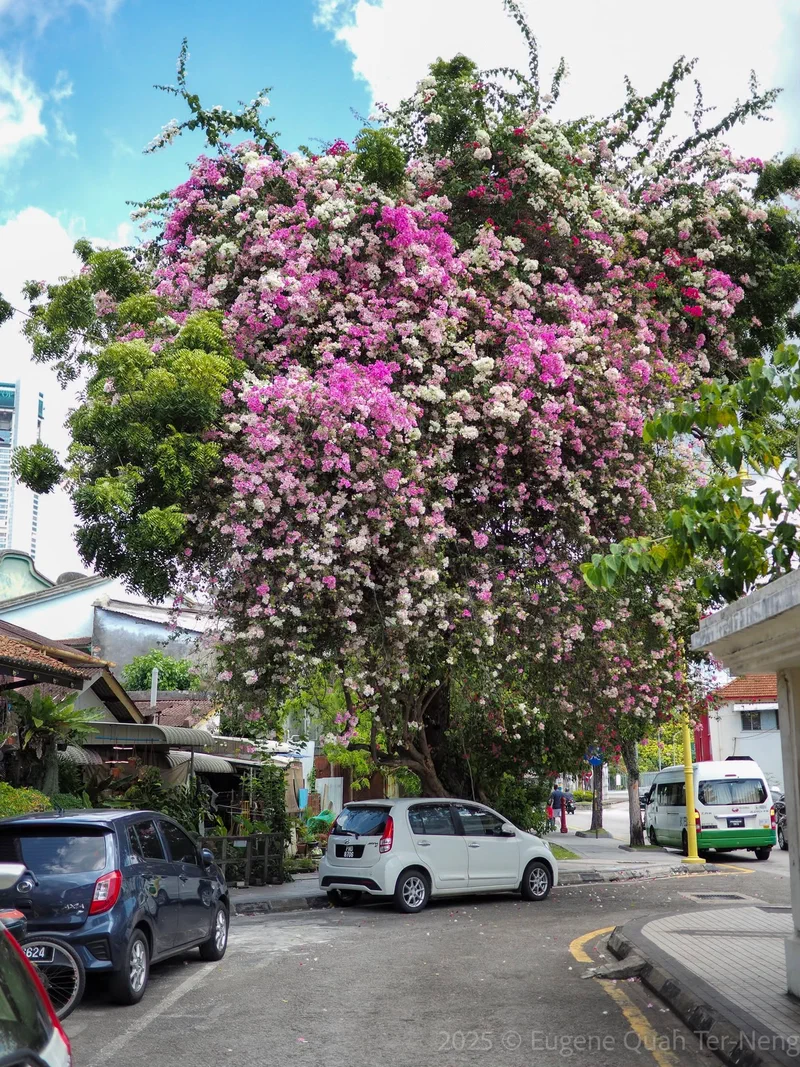
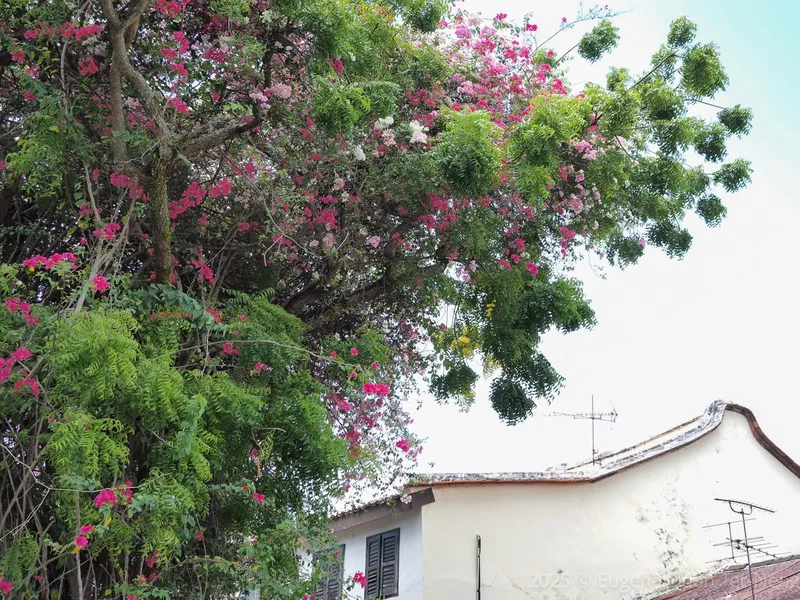
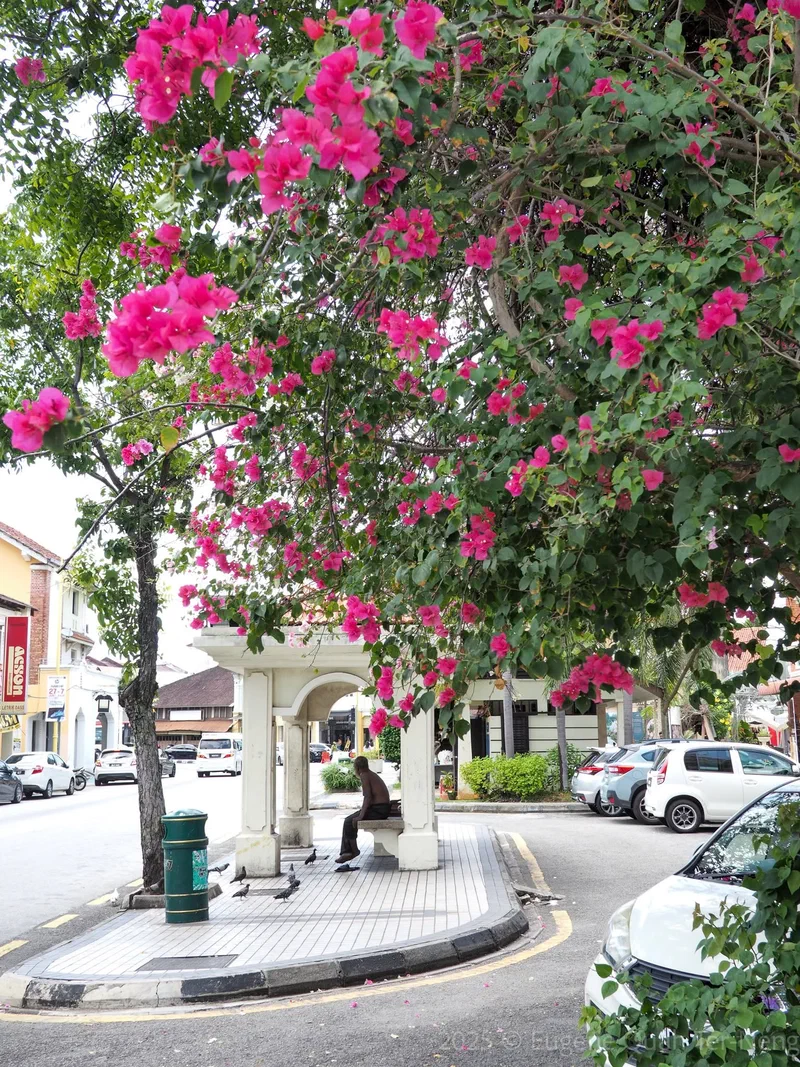
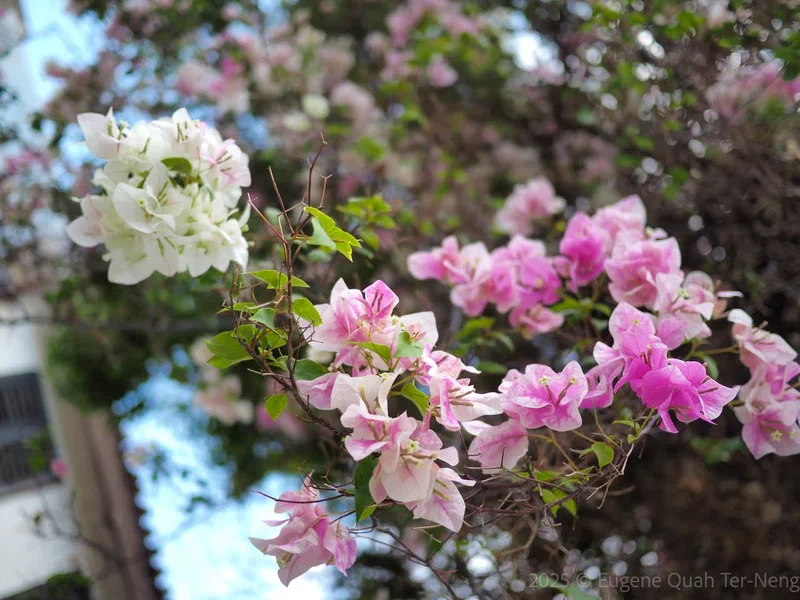
A few days ago, I came across a stunning sight in Kampung Kolam: three varieties of bougainvillea vines tumbling in a riot of colour over a neem tree. The spectacle was breathtaking—even if the poor host tree is slowly being smothered by these vibrant invaders. The scene reminded me of the remarkable story behind this now-ubiquitous plant.

Beauty of the Tropics

The bougainvillea (Bougainvillea glabra) is a common ornamental shrub found throughout Malaysia. Though native to the Americas, it has taken root across the tropics, including every state in Malaysia, thanks to its brilliant colours and hardy nature. What most people think are colourful petals are actually papery bracts—modified leaves that surround the plant’s tiny, white true flowers. This tissue-like texture explains its Malay name: Bunga Kertas (Paper Flower).

Today, there are over 300 recognised varieties. Its global appeal is reflected in its adoption as the official flower of Xiamen in China’s Fujian Province and as the national flower of Grenada.
Closer to home, when Ipoh—capital of Perak, a state in Malaysia—was granted city status on 27 May 1988, it adopted the bougainvillea as its official flower and styled itself Bandaraya Bunga Kertas, or Bougainvillea City. The moniker, however, never quite caught on.

That this South American plant now adorns gardens and roadside verges across the peninsula is the result of a voyage filled with science, subterfuge, and unexpected compassion.

A Voyage of Discovery and Disguise

In 1766, France launched its first circumnavigation of the globe. The expedition, consisting of the frigate La Boudeuse (The Sulky Woman) and the store ship L’Étoile (The Star), set sail from Nantes on 15 November. It was led by Admiral Louis-Antoine de Bougainville, who had been tasked with collecting plants and animals of potential value to France and its colonies.

Among the crew was the naturalist Philibert Commerçon, a friend of Voltaire and a correspondent of Carl Linnaeus. With him was his personal assistant, a young man named Jean. Unknown to the Admiral and the rest of the crew, “Jean” was actually Jeanne Baret—Commerçon’s lover, “a country girl and amateur botanist with a wide knowledge of medicinal plants”. To bypass the French Navy’s ban on women aboard ship, Baret “bound her breasts in tight strips of linen, wore baggy clothes” to disguise her gender.

Rio de Janeiro

In June 1767, L’Étoile reached Rio de Janeiro, where it met up with La Boudeuse. The expedition stayed from 13th until 25th June. As Commerçon was then incapacitated by a recurring leg ulcer, Baret—during one of many occasions throughout the trip—“assumed the role of chief botanist.”

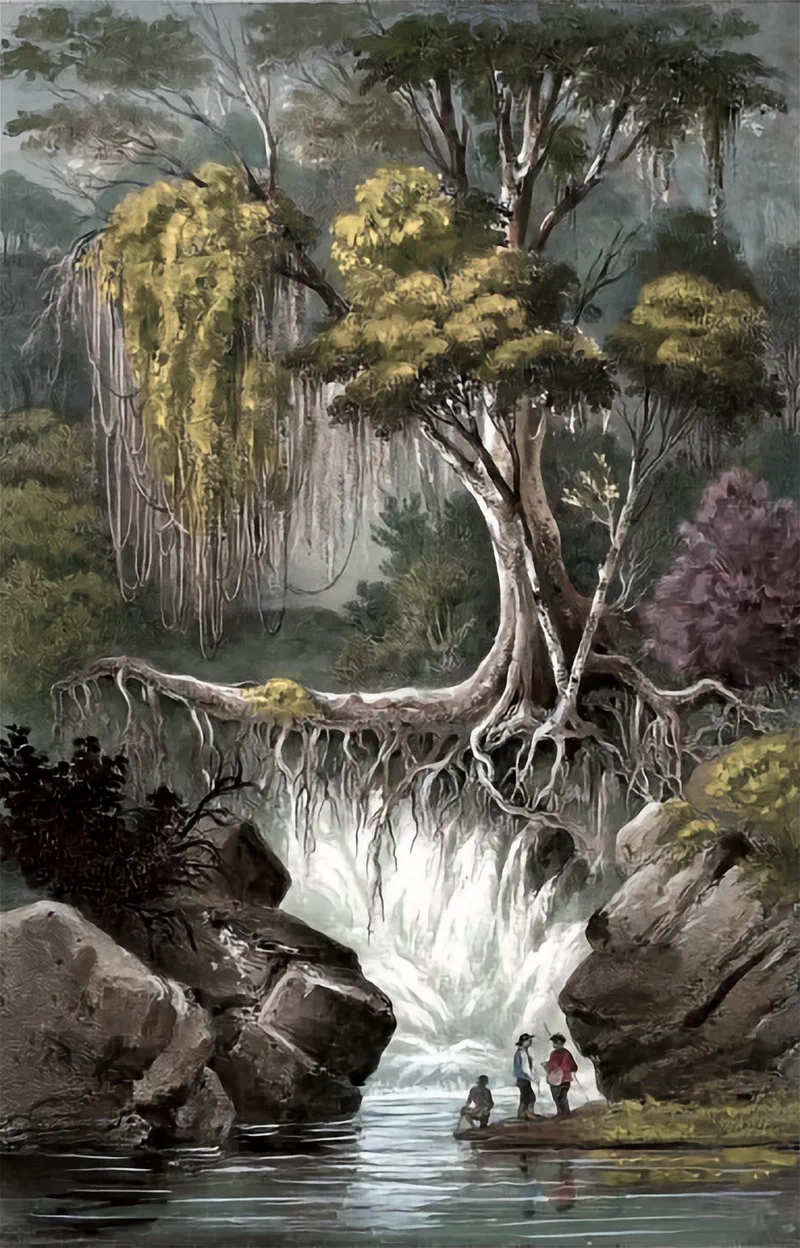
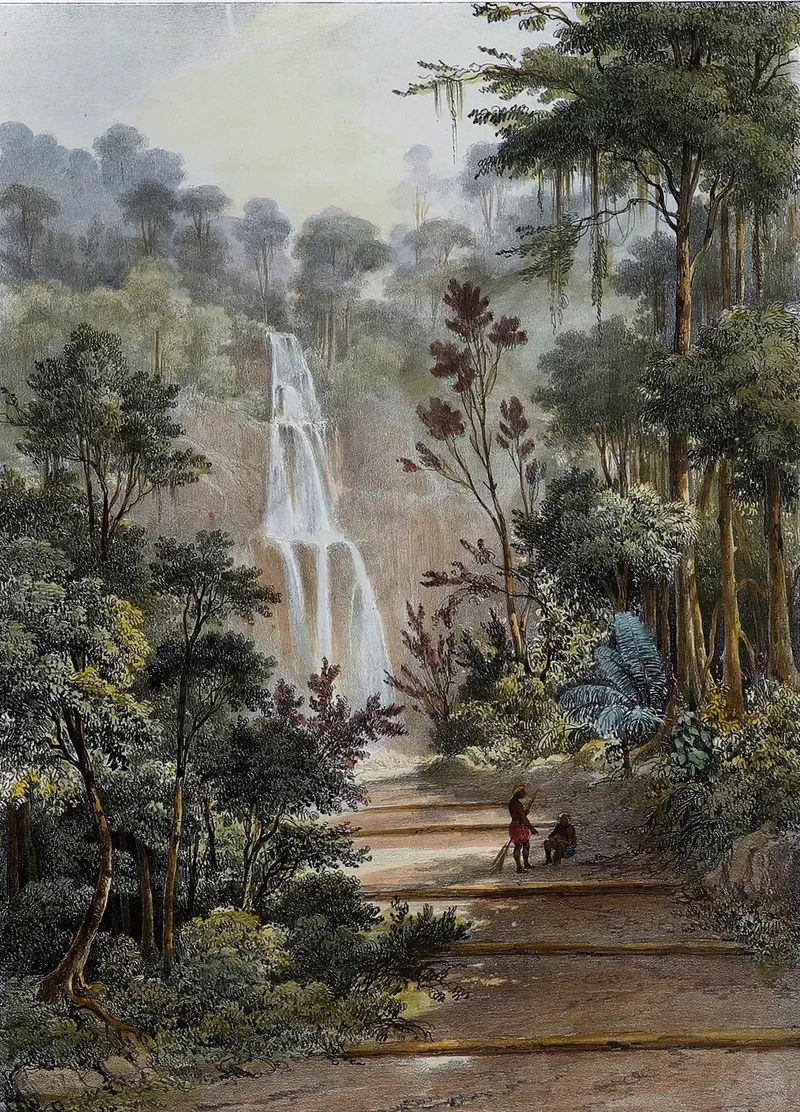
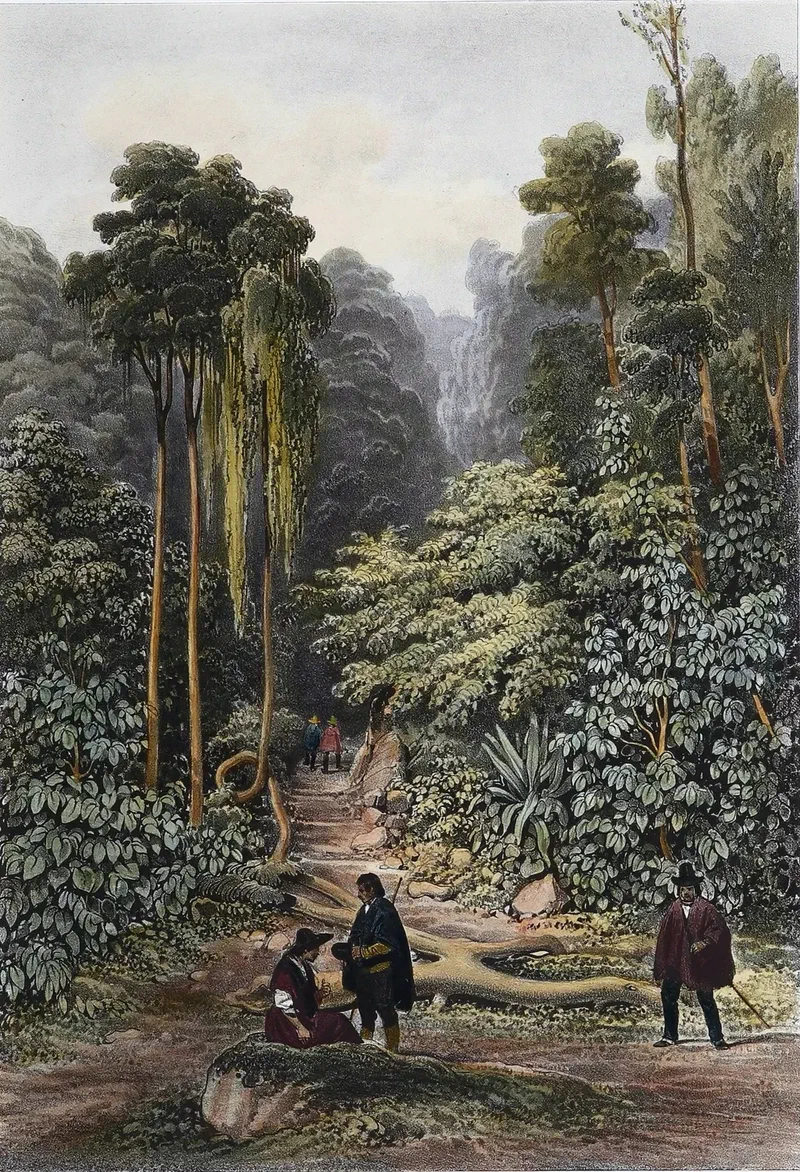
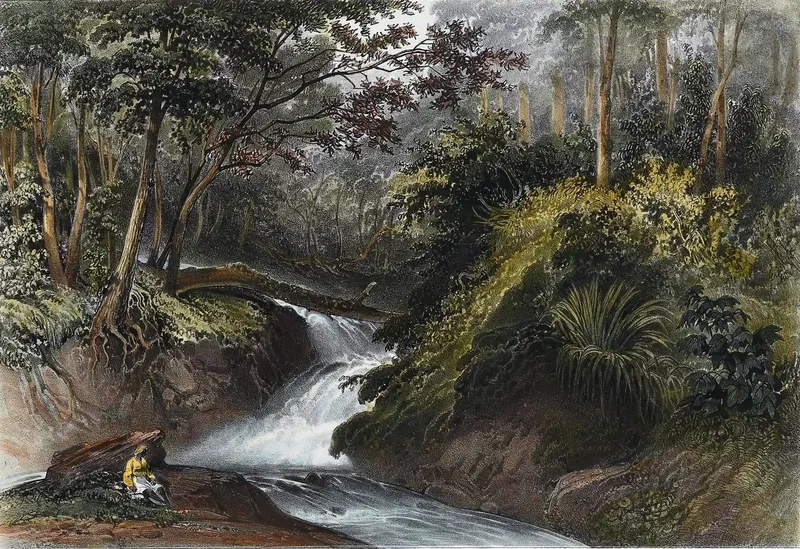
It was here, in the jungles of Brazil, that “a flamboyant scrambling plant was collected” by her—while still disguised as Monsieur Jean Baret. According to the Admiral’s official account, her ruse was only discovered in April the following year, when observant Tahitians saw through her disguise. The Admiral confined Baret to her cabin for the next stage of the journey after he found out.

The couple was eventually put ashore in Mauritius, where they stayed for three years.

Admiral Bougainville would later praise Baret’s strength and courage in his book about the expedition, “A Voyage Around the World.” He noted that she had followed her lover in “all his botanical walks, amidst the snows and frozen mountains of the Straits of Magellan, and had even on such troublesome excursions carried provisions, arms, and herbals.”

Commerçon died in Mauritius, leaving Baret in difficult financial circumstances. She later married a French officer, Jean Dubernat, and returned to France in 1774—becoming the first woman known to have circumnavigated the globe. The vine she collected in Rio would later be named Bougainvillea after the Admiral. The name was first recorded in 1789, when Antoine Laurent de Jussieu published it in Genera plantarum, noting simply: “Named after M. de Bougainville, leader of Commerçon’s expedition.”

From Rio to Penang

From Europe, the bougainvillea spread through colonial trade routes to India, Southeast Asia, and eventually to the Malay Peninsula and Borneo. By 1892, it was already being grown in Penang at the Botanical Gardens.

Today, as we admire the vibrant bougainvillea cascading over garden walls and trees throughout Malaysia, we can appreciate not only its beauty but also its remarkable history—a flower discovered by a pioneering woman botanist disguised as a man, named after the admiral who showed her and her lover compassion, and now flourishing in gardens around the world.

The Bougainvillea’s Journey - A Tale of Science and Romance Across the Seas — image 1
The Bougainvillea’s Journey - A Tale of Science and Romance Across the Seas — image 2
The Bougainvillea’s Journey - A Tale of Science and Romance Across the Seas — image 3
The Bougainvillea’s Journey - A Tale of Science and Romance Across the Seas — image 4

Sources:

  1. Simon Black (2025), “Jeanne Baret: the first woman to sail around the world”, Royal Museums Greenwich.
  2. Kent D. Kobayashi, James McDonnel & John Griffis (2007), “Bougainvillea”, Ornamentals and Flowers, Oct. 2007, OF -38
  3. Antoine Laurent de Jussieu (1789), “Genera plantarum”, pg. 91
  4. Matthew Biggs (2019), “The Secrets of Great Botanists: and what they teach us about gardening”
  5. Louis Antoine de Bougainville (1771), “Voyage autour du monde”

https://www.eugenequah.com/blog/the-bougainvilleas-journey-a-tale-of-science-and-romance-across-the-seas/

Copyright © 2026 Eugene Quah Ter-Neng. All rights reserved.

Rural Penang in Kaulfuss's tinted postcards

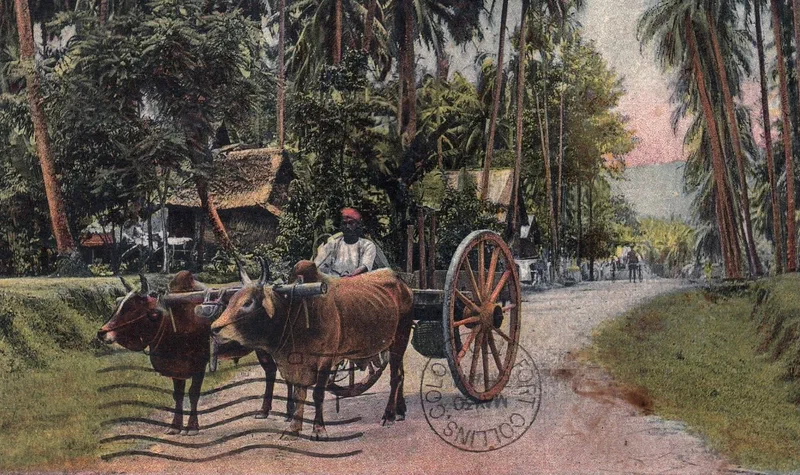
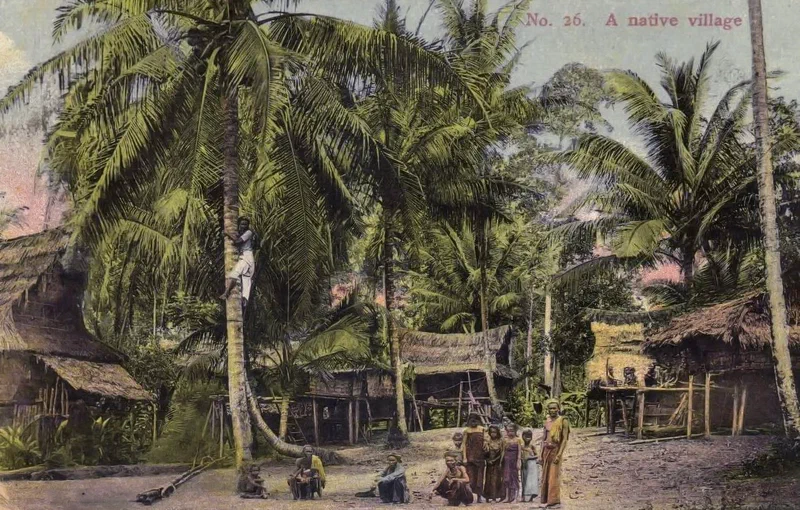
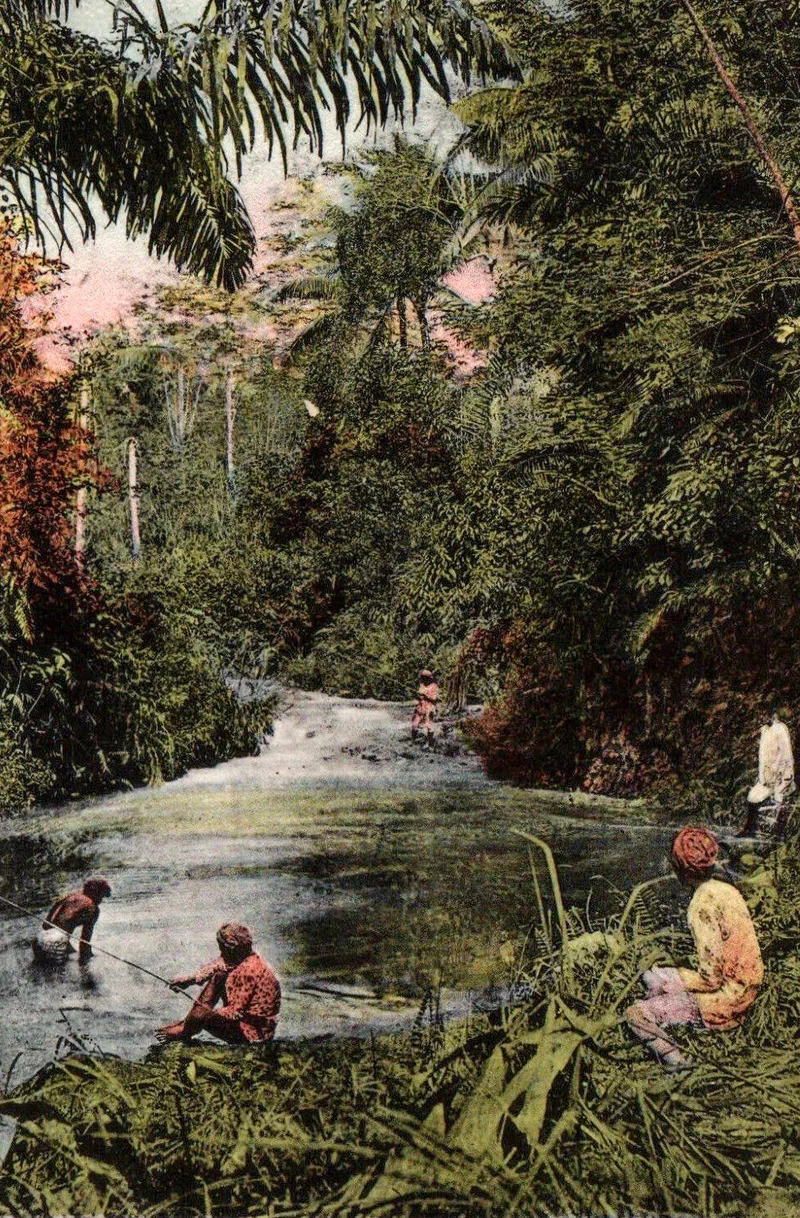
In an age when colour had to be imagined and painted by hand, the lens of Penang-based German photographer Ernst August Kaulfuss gives us a glimpse of rural Penang in the early 1900s.

These three tinted postcards – Nos. 24, 26, and 45 – capture rural Penang: “Ayer Etam Road”, “Jungle scenery” and “A Native Village”. He is credited as “A. Kaulfuss” in many popular postcards produced in the early 20th century. It’s likely these images were made before 1908, the year Kaulfuss passed away.

Rural Penang in Kaulfuss’s tinted postcards — image 1
Rural Penang in Kaulfuss’s tinted postcards — image 2
Rural Penang in Kaulfuss’s tinted postcards — image 3

Watch the video

https://www.eugenequah.com/blog/rural-penang-in-kaulfusss-tinted-postcards/

Copyright © 2026 Eugene Quah Ter-Neng. All rights reserved.

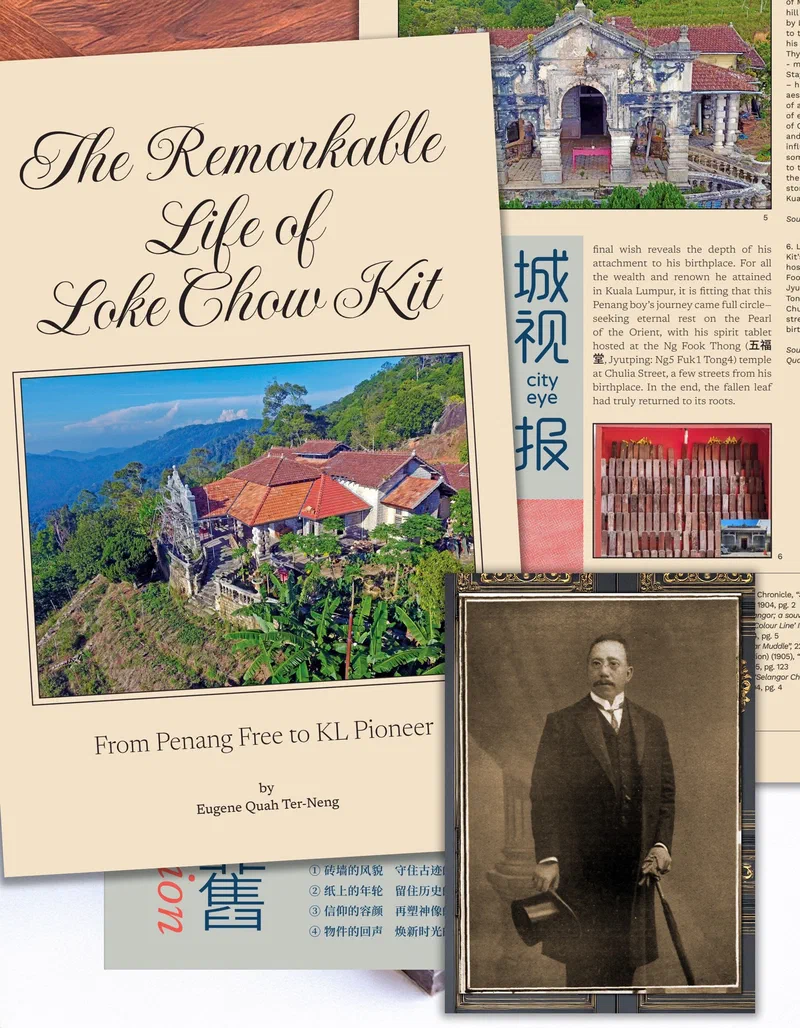
From Penang Free to KL Pioneer: Loke Chow Kit (1860-1918)

To most Malaysians, the name Chow Kit brings to mind the gritty heart of inner-city Kuala Lumpur—an area once notorious as a hub for drugs and crime, yet equally celebrated for its bustling marketplace and street food.

Few now know that Loke Chow Kit (陆秋杰, Jyutping: Luk6 Cau1 Git6) was born in George Town, Penang, around 1860. He was educated at Penang Free School, then located on Farquhar Street—a short walk from his family home at Bishop Street. This early Penang upbringing and his formative career at Katz Brothers—a prominent European trading house on Beach Street—laid the foundation for a remarkable ascent into the world of commerce and civic leadership.

He would go on to helm Chow Kit & Co., KL’s first department store, serve as Loke Yew’s trusted business partner, chair the Selangor Chinese Chamber of Commerce, and speak out publicly on behalf of the Chinese community at a time of racial tension.

For all his wealth and standing in KL, Loke Chow Kit never forgot his roots. He built the grand Mon Séjour mansion on Penang Hill, and when he passed away in 1918, he had one final request: to be buried in Penang, at Mount Erskine Cemetery. His spirit tablet can also be seen at the Ng Fook Thong Temple (五福堂, Jyutping: Ng5 Fuk1 Tong4) on Chulia Street, just a few streets away from where he was born.

His biographer, the architect Junn Ng, wrote movingly:
“Chow Kit believed in the Chinese proverb that fallen leaves return to their roots.”

Read about “The Remarkable Life of Loke Chow Kit” in Vol. 47 of the Penang City Eye 城视报:
https://online.fliphtml5.com/tvtbw/pzsq/#p=37

The article features exclusive photos of Chow Kit’s Mon Séjour mansion, kindly provided by Mike Gibby, the author of “Penang Hill - A Journey Through Time”.

From Penang Free to KL Pioneer: Loke Chow Kit (1860-1918) — image 1

https://www.eugenequah.com/blog/from-penang-free-to-kl-pioneer-loke-chow-kit-1860-1918/

Copyright © 2026 Eugene Quah Ter-Neng. All rights reserved.

Views of Pulo-Pinang (1837)

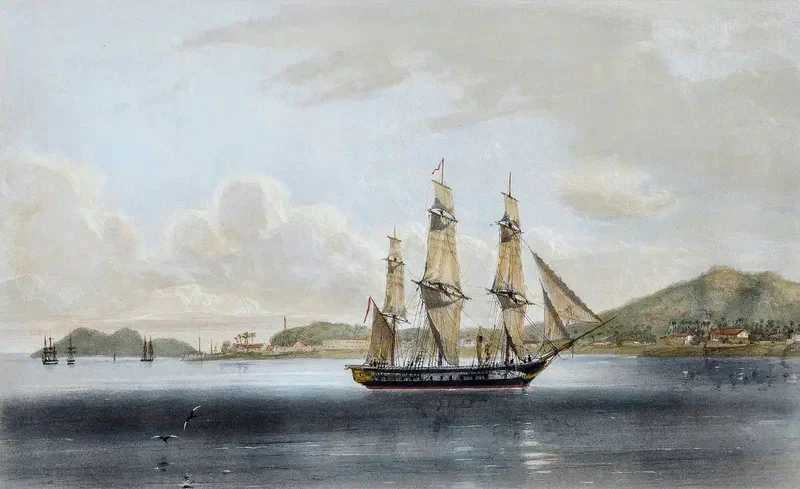
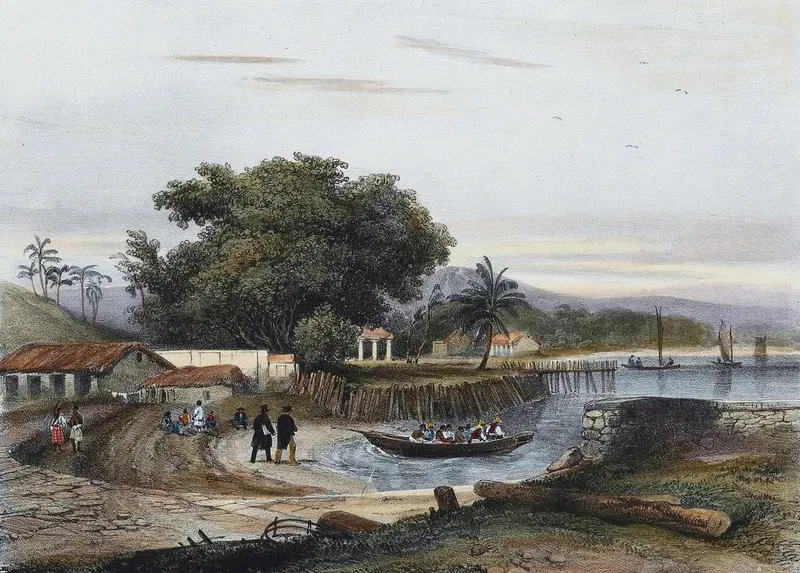
“Pulo-Pinang, situated near the Queda coast … is only about ‘quarante lieues’ (140 miles) from the shores of Sumatra. A naval station at this point, and cutting across the entrance to the [Straits of Malacca], can so easily defend it that not a single ship would enter it safely without permission,” wrote the 44-year-old Frenchman, Captain Auguste Vaillant, who visited Penang on Saturday, 4 March 1837.

His ship, La Bonite (The Bonito), “dropped anchor a mile and a half from Fort Cornwallis” after arriving from Malacca during its circumnavigation of the world. Captain Vaillant had joined the French Navy at an early age and served during the Napoleonic Wars. In 1836, he was given command of the expedition and, on 6 February that year, set out from Toulon aboard the 800-ton vessel.

Despite his extensive travels around the world, Vaillant was nonetheless impressed by the island’s beauty and praised its fine roads:

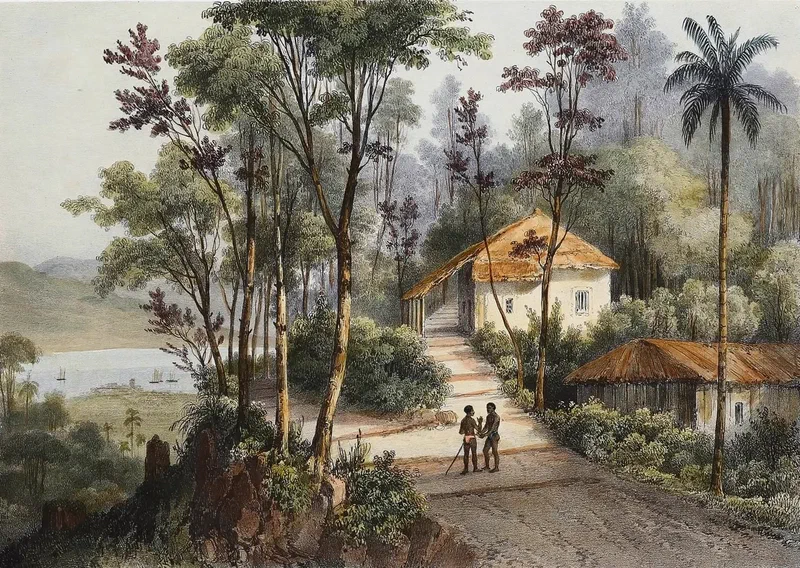
“One communicates from the capital to all the inhabited parts of the island by magnificent roads … which are perfectly maintained and very wide. These roads are shaded by coconut, areca [pinang] and other trees, and you could believe you were going along the lanes of a beautiful park!”

These rare coloured aquatints by Barthélemy Lauvergne were based on Theodore-Auguste Fisquet’s drawings from Plates 80–84 of the voluminous official account of the expedition, “Voyage around the World carried out during the years 1836 and 1837 on the Corvette La Bonite commanded by Mr. Vaillant Captain of the Ship”.

Views of Pulo-Pinang (1837) — image 1
Views of Pulo-Pinang (1837) — image 2
Views of Pulo-Pinang (1837) — image 3
Views of Pulo-Pinang (1837) — image 4
Views of Pulo-Pinang (1837) — image 5
Views of Pulo-Pinang (1837) — image 6
Views of Pulo-Pinang (1837) — image 7

Sources:

  1. “Voyage autour du monde exécuté pendant les années 1836 et 1837 sur la corvette La Bonite commandée par M. Vaillant, capitaine de vaisseau”, Bibliothèque Nationale de France: ark:/12148/bpt6k6536329m
  2. Colin Dyer (2017), “Penang in 1837, as seen by the French explorer Captain Auguste Vaillant,” JMBRAS, Vol. 90, No. 2 (313) (December 2017), pp. 98–108

https://www.eugenequah.com/blog/views-of-pulo-pinang-1837/

Copyright © 2026 Eugene Quah Ter-Neng. All rights reserved.