Join us for an exciting panel discussion on “Tracking the Past and the Present” at the George Town Literary Festival 2024. Mike Gibby, Rexy Prakash Chacko and yours truly will be on the panel, moderated by Keith Hockton. Expect engaging discussions, fascinating stories, and a lively Q&A session. Don’t miss it!
📍 Venue: Event Hall, Bangunan UAB 📅 Date: Sunday, 1 Dec 2024 🕒 Time: 4:30 pm – 5:30 pm
The year 1870 marked the start of a transformative period in world history. The Franco-Prussian War culminated in Napoleon III’s defeat at the Battle of Sedan, leading the victorious Wilhelm I to proclaim the German Empire. Japan formally adopted its iconic rising sun flag, while the recently completed Suez Canal (November 1869) revolutionised global maritime travel.
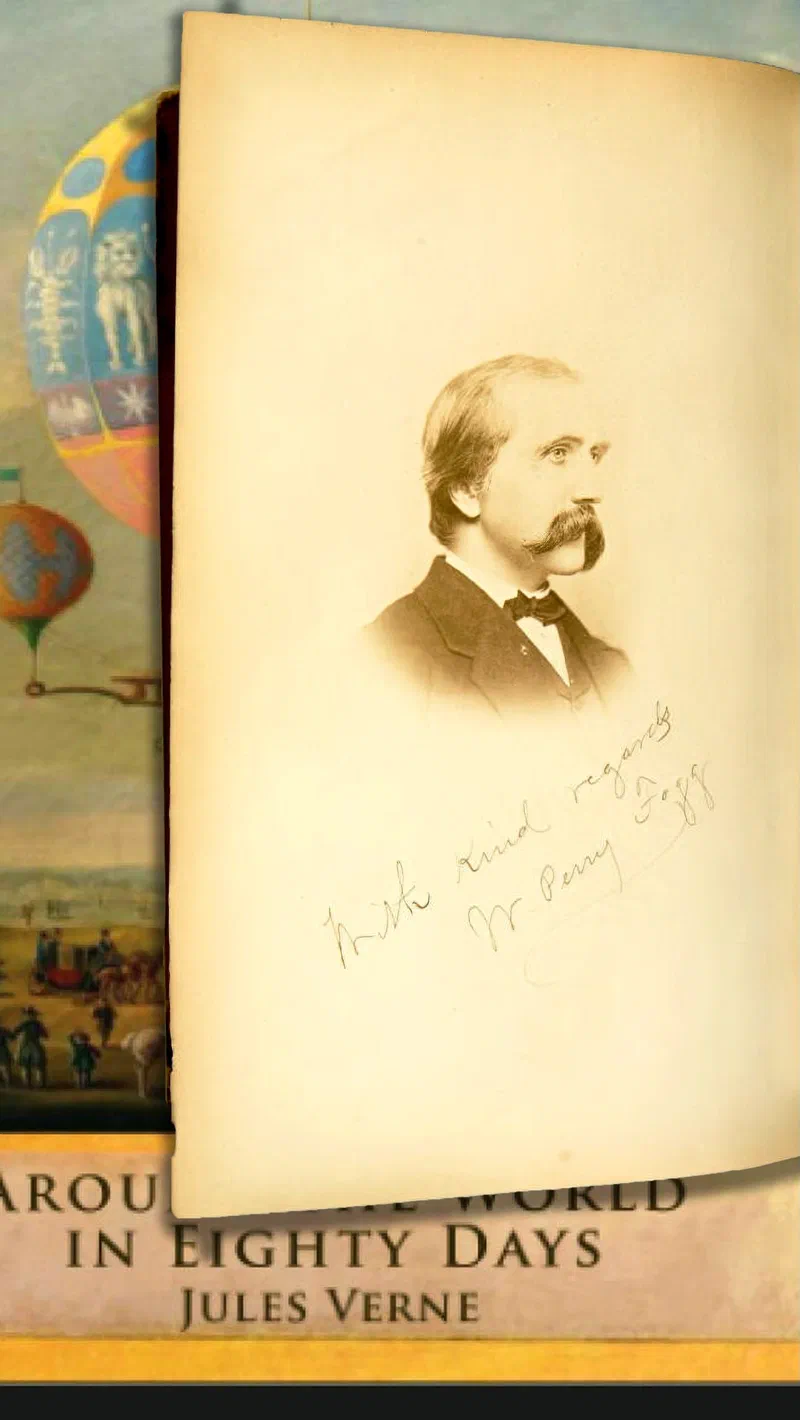
Against this backdrop of technological advancement and the dawn of the Second Industrial Revolution, George Francis Train, an eccentric American transportation entrepreneur who later ran for president, completed his circumnavigation of the globe in 80 days. That same year, another American businessman and adventurer began his own global expedition. William Perry Fogg embarked on what would become a two-year journey around the world. Unlike Train’s relatively speedy voyage, Fogg took time to document his experiences through detailed letters to the Cleveland Daily Herald. These dispatches were later collected and published as the travelogue “Round the World” in 1872.
In November 1872, French author Jules Verne began writing “Le Tour du monde en quatre-vingts jours” (Around the World in Eighty Days) as a serial in the newspaper “Le Temps”. The story was released as a complete novel on January 30, 1873, introducing readers to a methodical and time-obsessed protagonist named Phileas Fogg. The timing of the book’s release and the similarities between Verne’s fictional story and the journeys of the two Americans did not go unnoticed.
A very angry Mr. Train told the press, “Remember Jules Verne’s ‘Around the World in Eighty Days’? He stole my thunder. I’m Phileas Fogg”. Verne denied that his fictional tale was based on the true exploits of Train, or that he had ever heard of Mr. Fogg - William Perry, prior to writing his story. Verne’s denials were met with scepticism as Train’s exploits were well publicised in France. Despite the controversy, the novel became a global sensation and remains today as one of Verne’s most celebrated works.
Interestingly, the real-life Mr. Fogg actually visited Penang during his round the world trip. His globetrotting brought him to some of the same places as the fictional Fogg except travelling in the opposite direction.
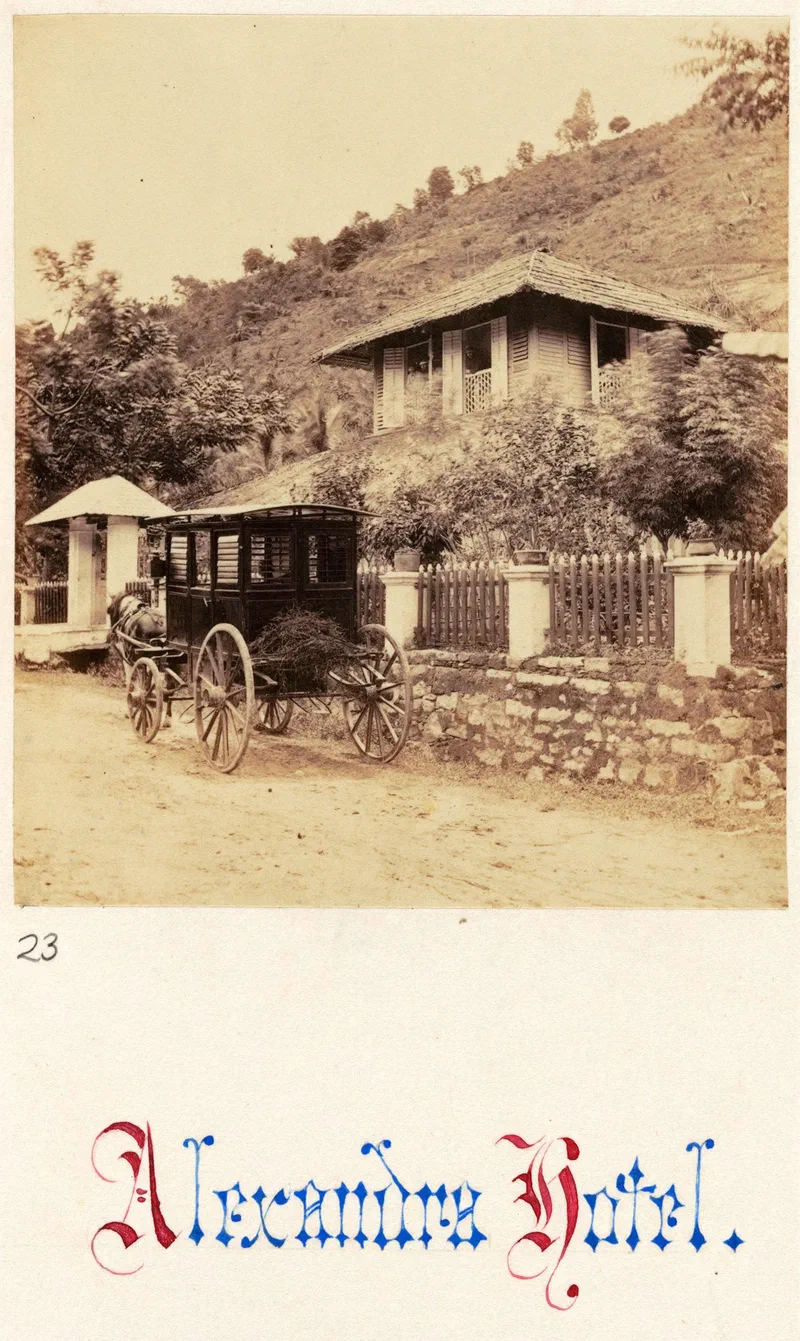
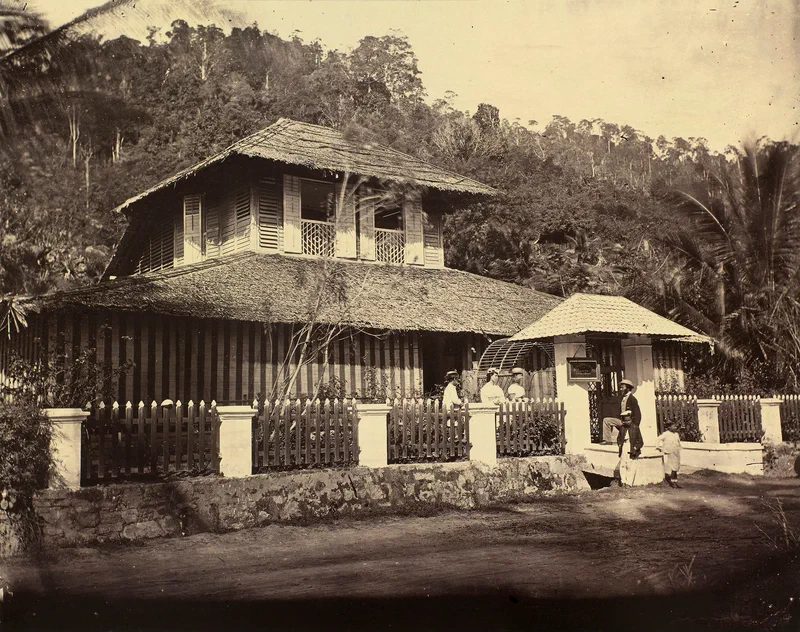
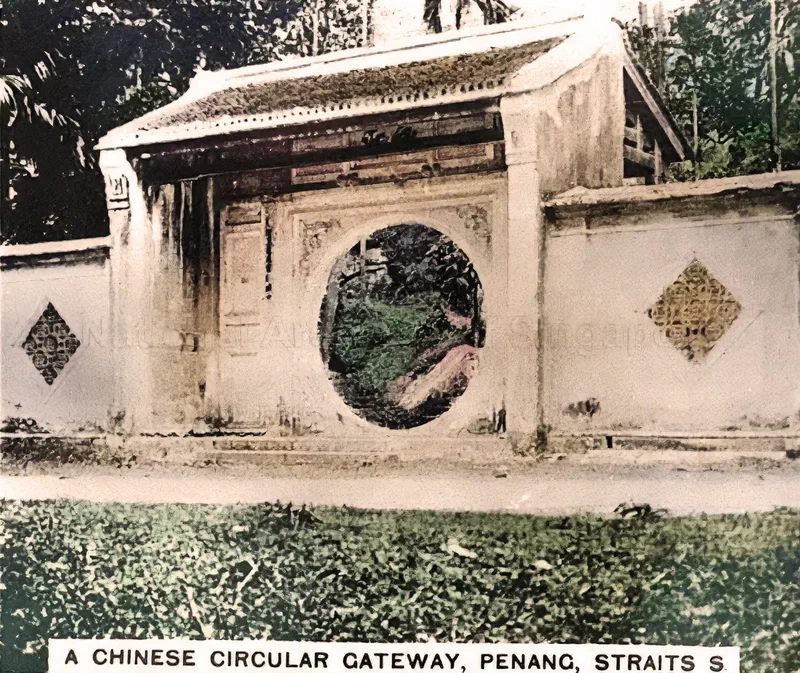
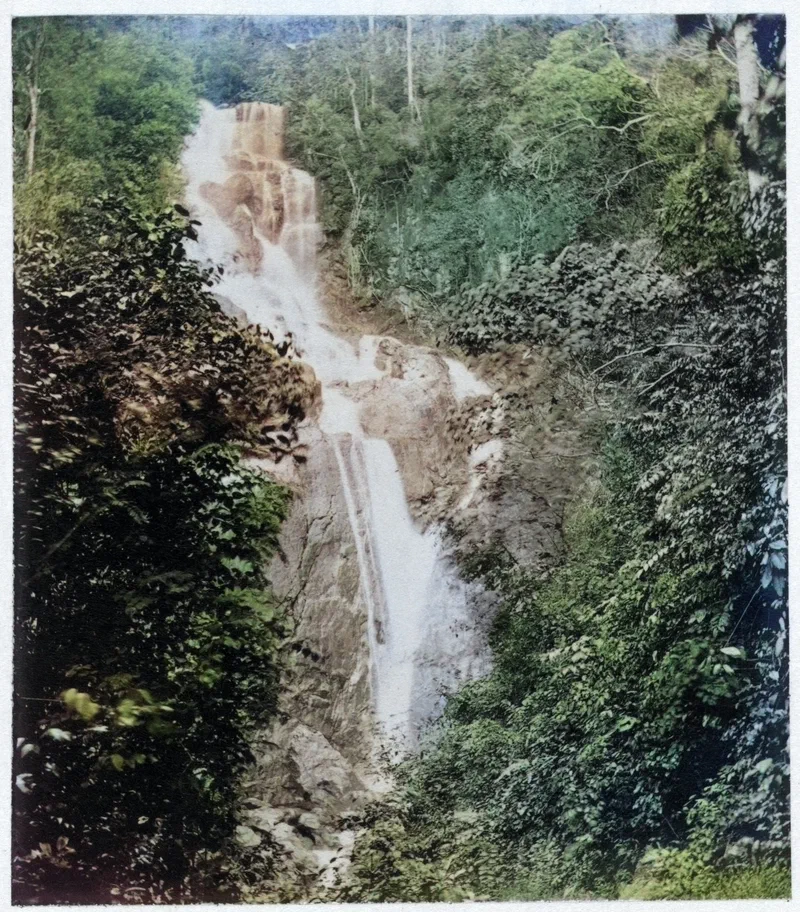
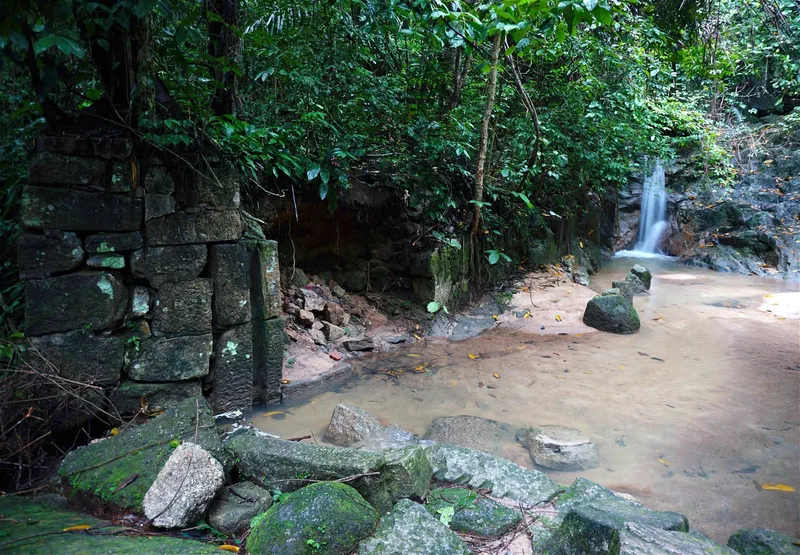
On Friday, 10 February 1871 he arrived in Penang aboard the steamship Thales and straight away headed to the Great Waterfall, stopping by the Alexandra Hotel and its Baths whose ruins can still be seen just to the right of the Moon Gate.
Read about Fogg’s description of the hotel as well as a previously untranslated French account in the article below. Also revealed is the origin of the Moon Gate.
“Waterfall Whispers - The Lost Tale of Penang’s Alexandra Hotel and Baths”, Penang City Eye Vol. 45:
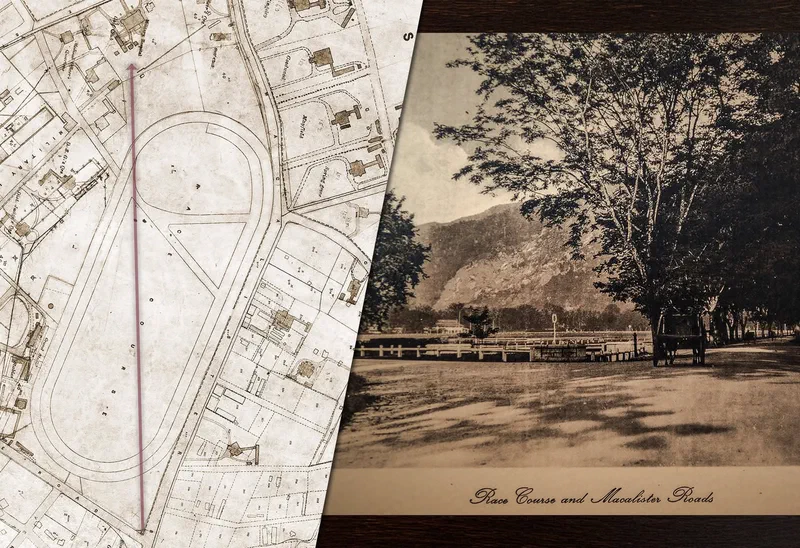
This photograph of the Penang Race Course was published in late 1914 by Norwegian photographer Hjalmar Axel Bodom in an “artistic album” called “Views of Penang Island”. Bodom was the owner of Northam House Photographic Studio located at 15 & 17A, Northam Road.
In the distance, beyond the race course, the quarry at the Batu Gantong area of today’s Bukit Cendana can be seen. The hill was formerly called the Highlands of Scotland of which a considerable part was owned by the Hogan family.
The now defunct race course (belonging to the Turf Club) only moved to the Batu Gantong site in May 1939. Before that it was located at Macalister Road (as shown in the photo). The current St. George’s School and Penang Sports Club sit on the former race course site. The large building seen at the far end of the race course is the Club House of the Penang Golf Club which took over the former “Old Military Hospital” in 1907 (as shown in the 1893 map here).
Bodom’s album, in pristine condition, was kindly loaned to me for scanning by Ian Sandison, a descendant of John Hogan, when he visited Penang last year.
Source:
Pinang Gazette and Straits Chronicle, 1 December 1914, Page 1
Three Xaverians were featured in season 1 of the People of Penang Podcast, Bro. Jason Blaikie Fsc, Darren Yuen of Darren Going Forward and Jason Selvanayagam of Gusto Cafe. This episode was re-released due to a technical issue. Enjoy Jason’s story of education, community and coffee.
In this season finale of the People of Penang Podcast (PoPCast), Moe (Mohammad Nasrullah Bin Zulkifli) and I had a long fascinating chat with renowned archaeologist Dr. Nasha Rodziadi Khaw. In this PoPCast exclusive, the intrepid and brilliant Dr. Nasha, who grew up in Butterworth, shares not only his archaeological work on the millennia-old stupas at Bukit Choras but also his journey into the field of archaeology.
By sharing Dr. Nasha’s story, told by the man himself, we aim to give our viewers and listeners a glimpse into the often overly romanticized world of archaeology—think Indiana Jones—and reveal what this highly scientific discipline truly involves. With far too few archaeologists in the country, Dr. Nasha also explains how one can train to become one.
In the heart of Singapore’s bustling CBD, Bencoolen Street hums with activity. Locals and tourists alike traverse this busy thoroughfare, many descending 43m below to board trains at Bencoolen MRT station. Yet few Singaporeans or Malaysians know where the road’s namesake is located - a place that holds interesting links to the founding story of the British ports of Singapore and Penang.
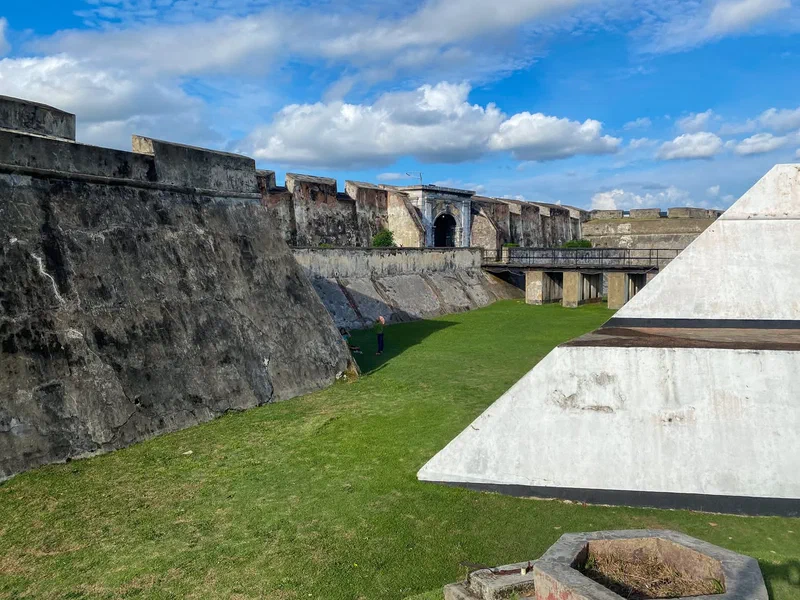
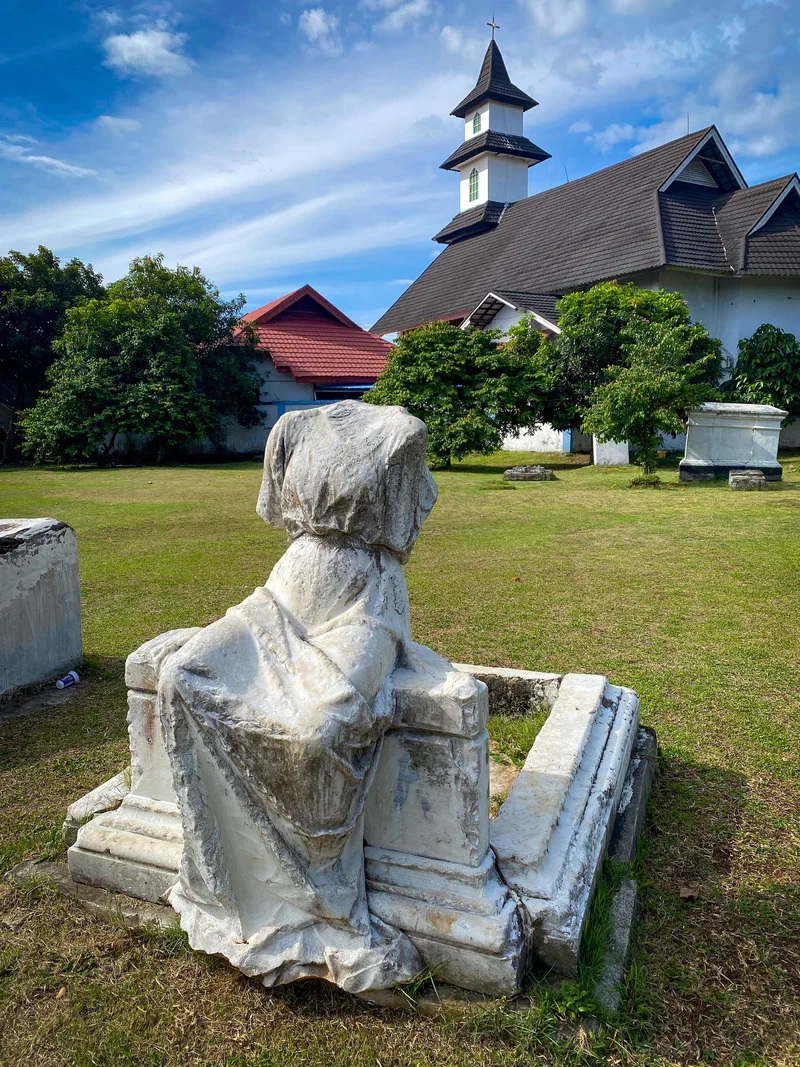
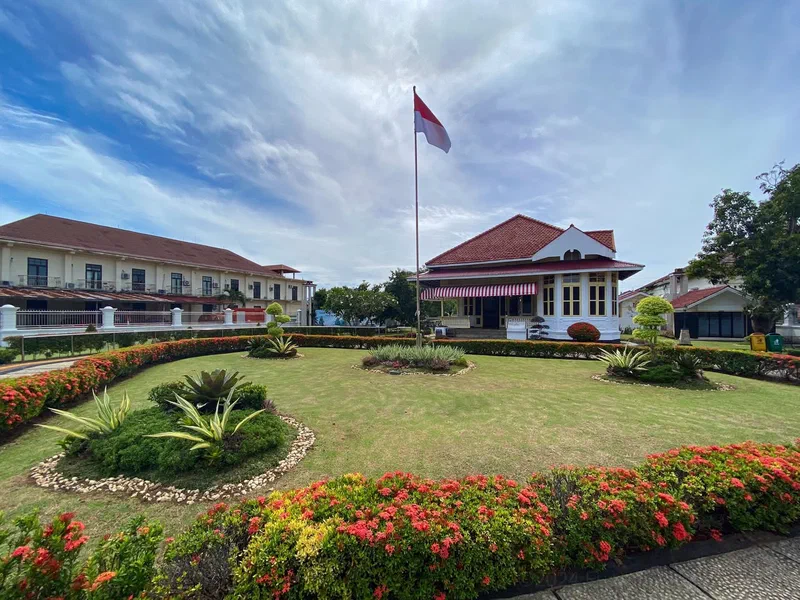
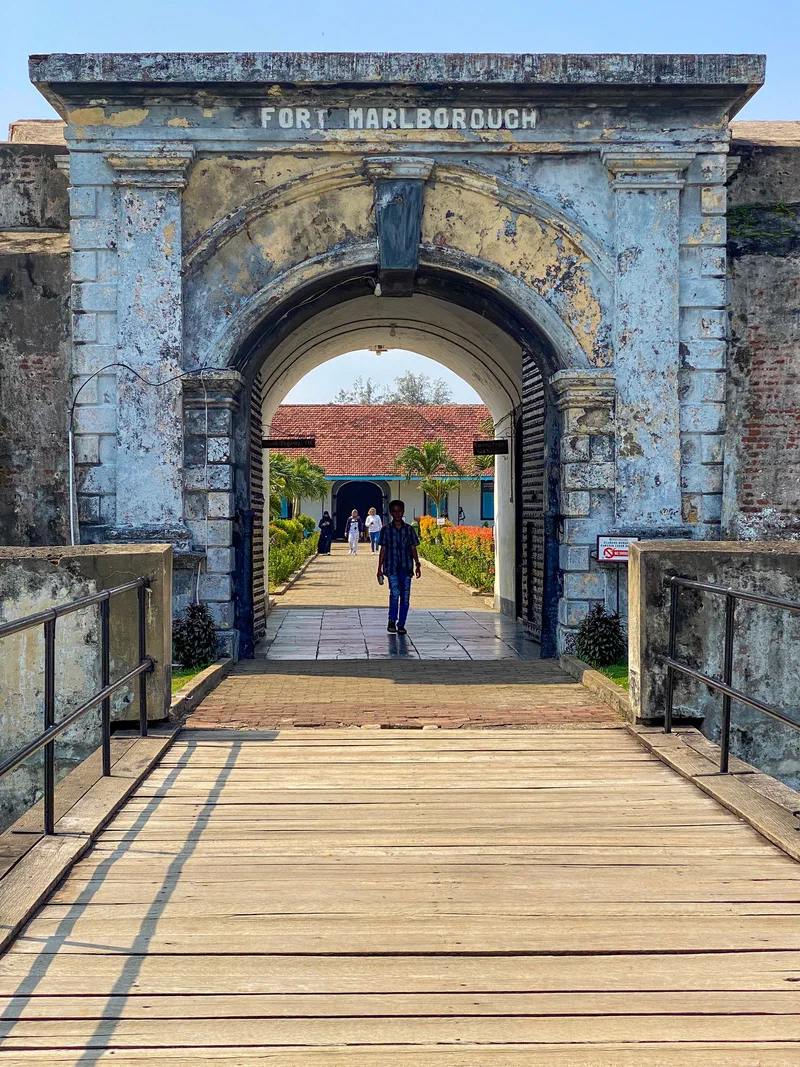
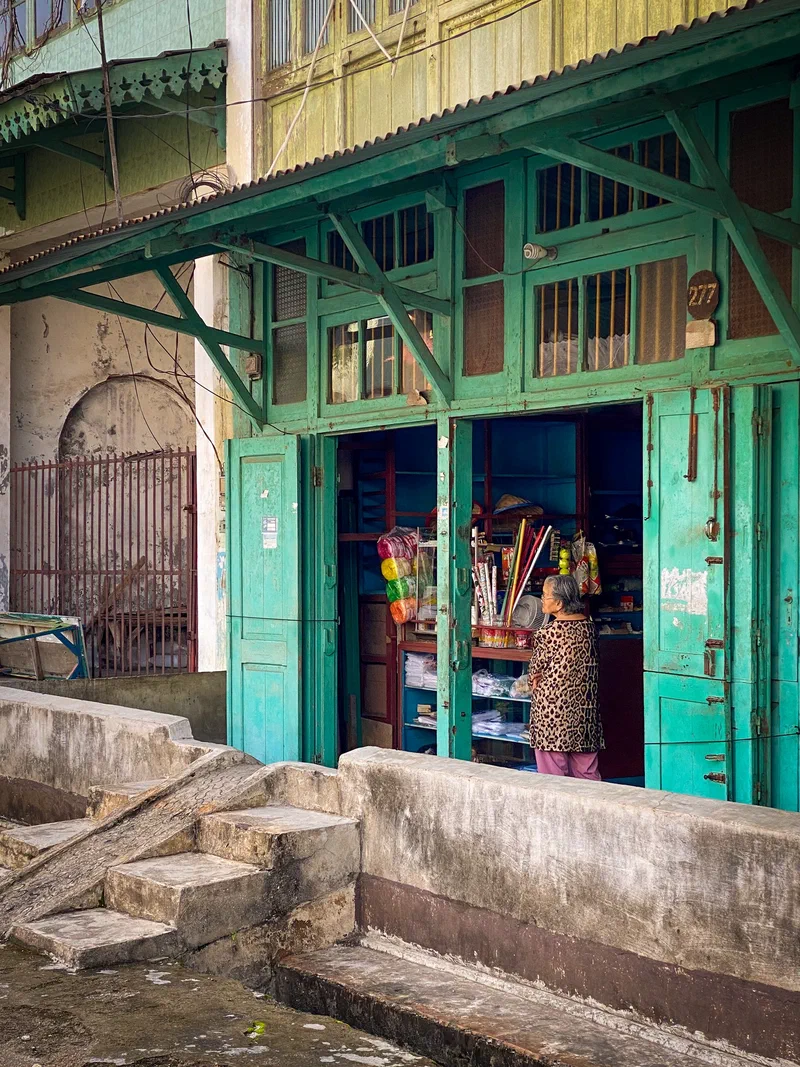
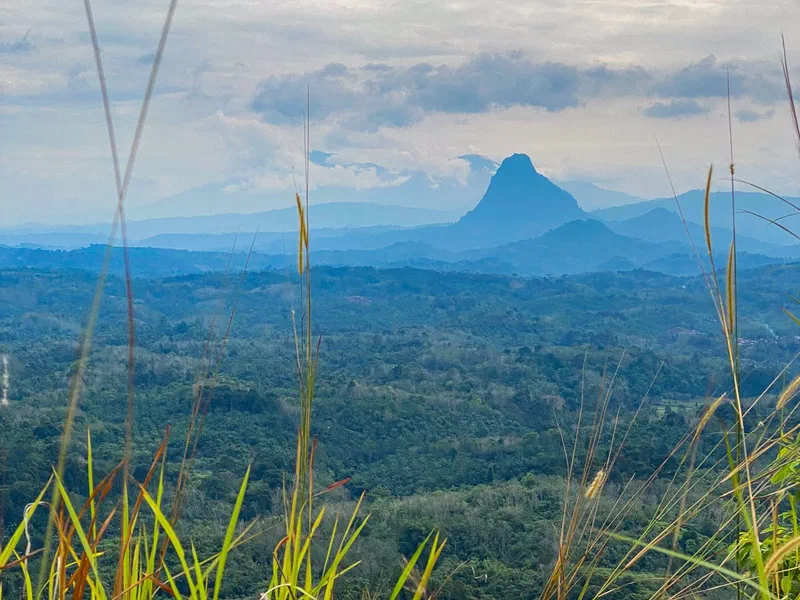
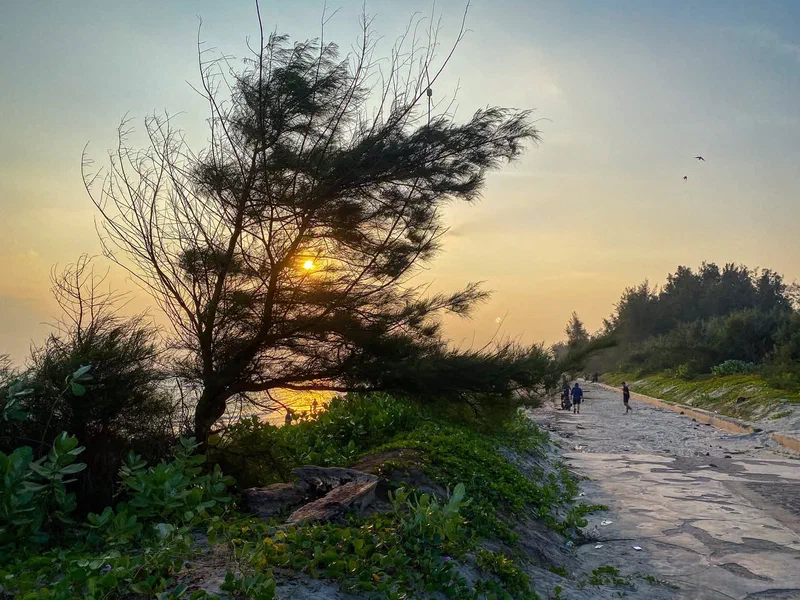
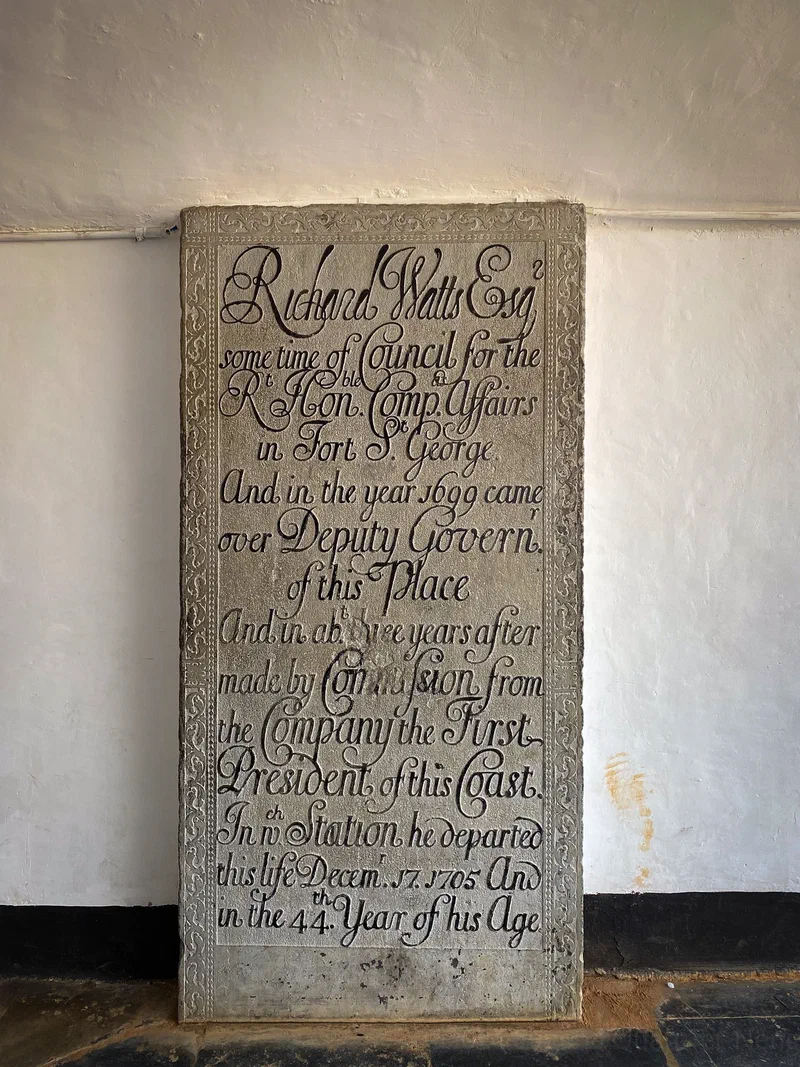
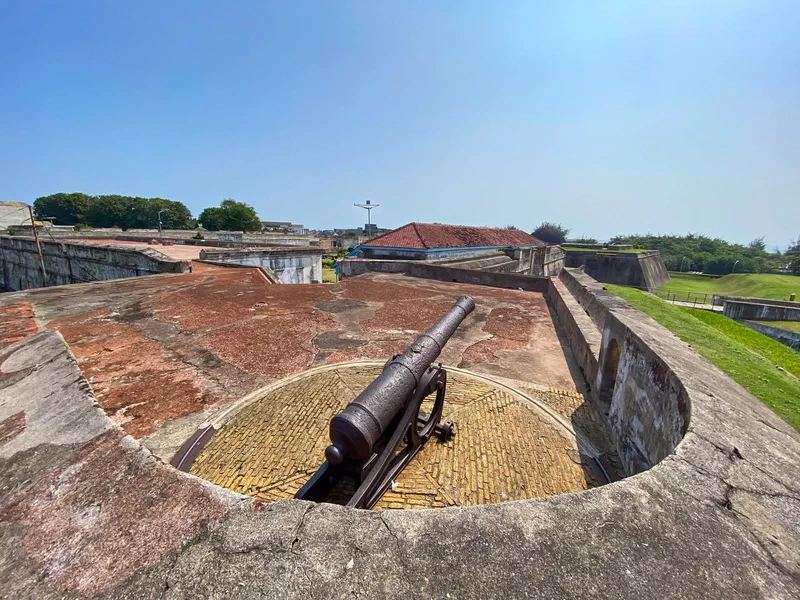
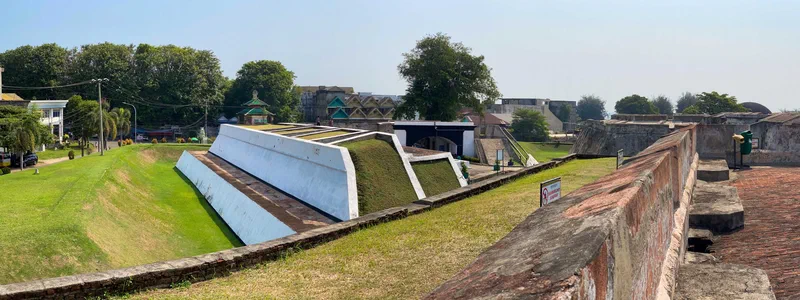
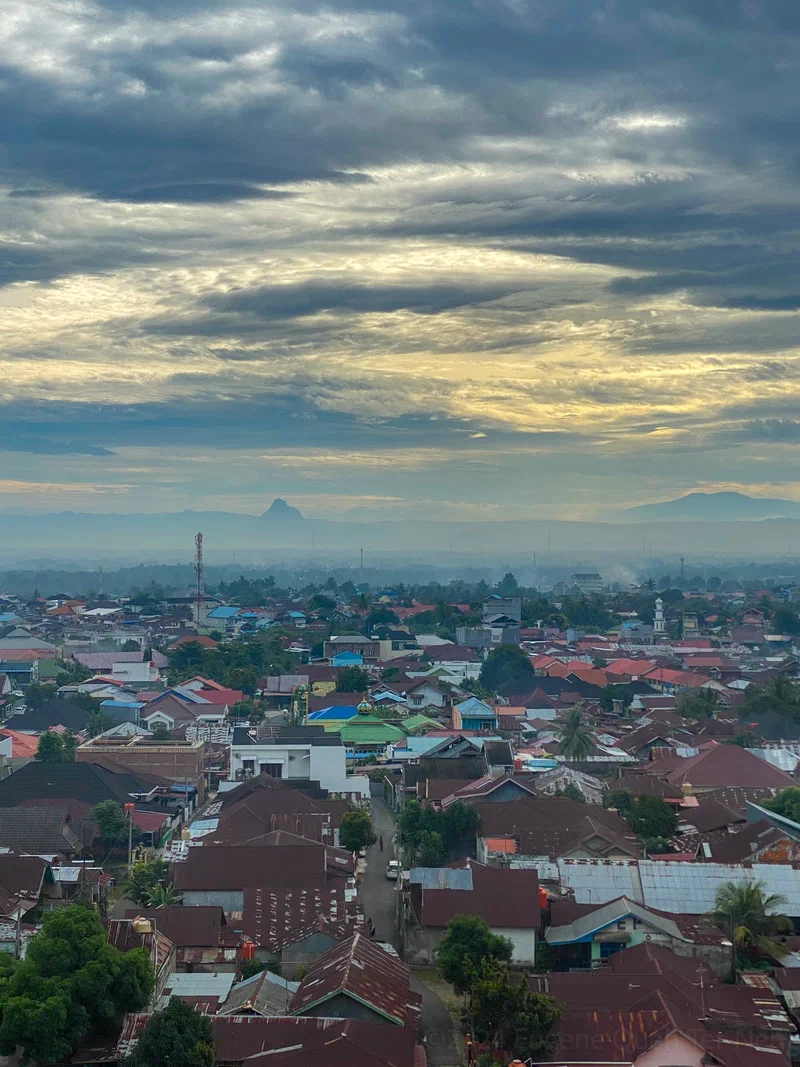
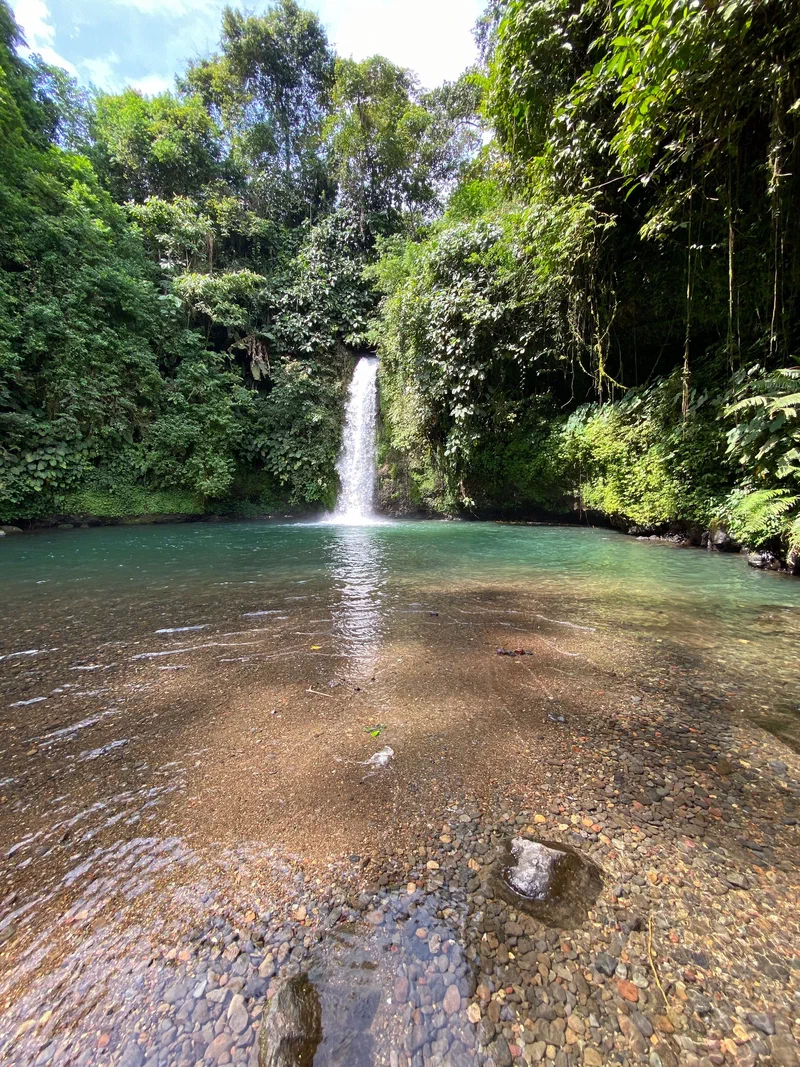
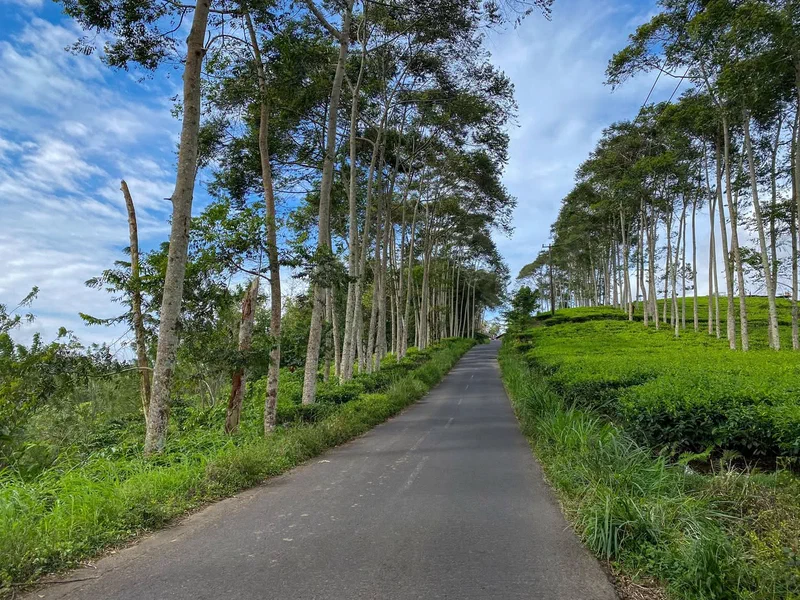
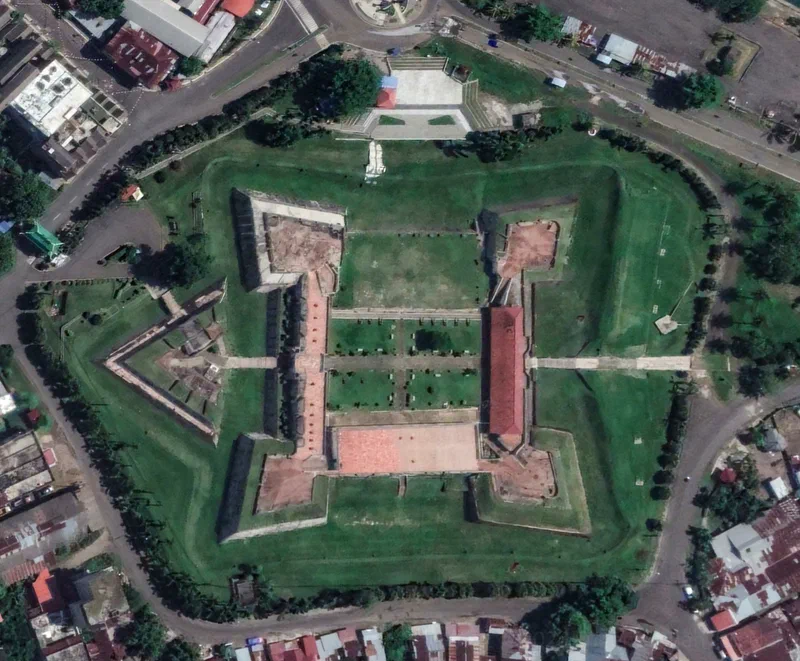
I recently visited Bencoolen (a European mispronunciation of Bengkulu) in Western Sumatra to see Fort Marlborough, the largest intact British fort in Southeast Asia. Today’s Kota Bengkulu is a relaxed coastal city with beautiful nature; rugged coastline and fantastically shaped hills.
Before the British East India Company’s success in setting up the entrepôts of Penang and Singapore, this earlier settlement was started in 1685 in circumstances that could only be described as a farce; the fleet from Madras built a fort at the wrong place, it was supposed to be Priaman further north and not Bencoolen. By the time the screw-up reached the ears of the company directors in faraway London, it was too late to move. Adding insult to injury, Bencoolen - never intended to be settled - was found to have less pepper than needed to make it a profitable trading post.
Interestingly, Sir Stamford Raffles – Singapore’s celebrated founder – was mostly absent during the new settlement’s early years; he was here in Bencoolen.
After signing Singapore’s founding treaty on February 6, 1819, Raffles left the very next day for Bencoolen; he was its Governor. While Singapore flourished under the charge of William Farquhar, he spent miserable years at Fort Marlborough, losing four of his young children there while trying to save the Company’s loss-making Sumatran ventures.