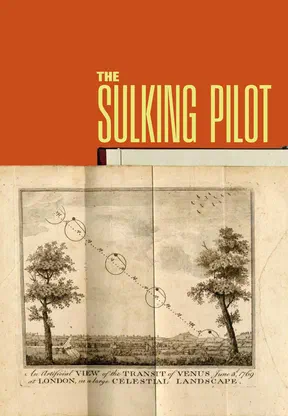
The Sulking Pilot and the Sea-Devil: A French Astronomer's Account of Penang in 1768
Précis
This précis was automatically generated based on the full article text.
Guillaume Le Gentil had sailed from France in 1760 to observe the transit of Venus across the sun, an event that would help astronomers measure the distance to the sun. He arrived too late, and decided to wait eight years for the next one. In 1768, suspected of spying in Manila, he set sail for Pondicherry in India aboard the Saint-Antoine, a ship owned by Armenian merchants.
The voyage was eventful. Near Singapore the chief pilot quarrelled with the captain and stormed off to his cabin, leaving the astronomer to keep watch at the helm until an Armenian merchant shamed the pilot into returning. On 10 March the ship stopped to take on water off Penang’s south coast near Teluk Kumbar. Both chief pilots went ashore sightseeing, a storm broke, and they struggled back through a sea ‘all on fire’ with glowing plankton, carrying a huge ‘sea-devil’ fish.
Le Gentil, who never left his ship outside a safe port, was furious. He also observed and sketched the island, producing the earliest known drawing of Penang. His bad luck continued: clouds hid the 1769 transit, and when he finally returned to France he found he had been declared dead and his estate divided.
Key points
- The 'sea-devil' was probably a devil ray, a harmless relative of the manta.
- Le Gentil judged the Malacca of 1768 to be 'very pretty' but of little importance.
- The watering place may be near Sungai Gemuruh. A nearby beach is called Pasir Belanda ('Dutch Sands').
- An English East India Company ship, the London, had watered at Penang in 1763 and found people living there.
- The letter is translated in full here for the first time.
Why it matters
It pushes the visual record of Penang back to before British settlement, and shows that the island was already on international shipping routes.
- Places
- Teluk Kumbar, Sungai Gemuruh, Pulau Kendi, Malacca, Manila, Pondicherry, Penang
- Subjects
- Guillaume Le Gentil, Saint-Antoine (ship), transit of Venus, Estevan Roxas y Melo, Walter Alves